


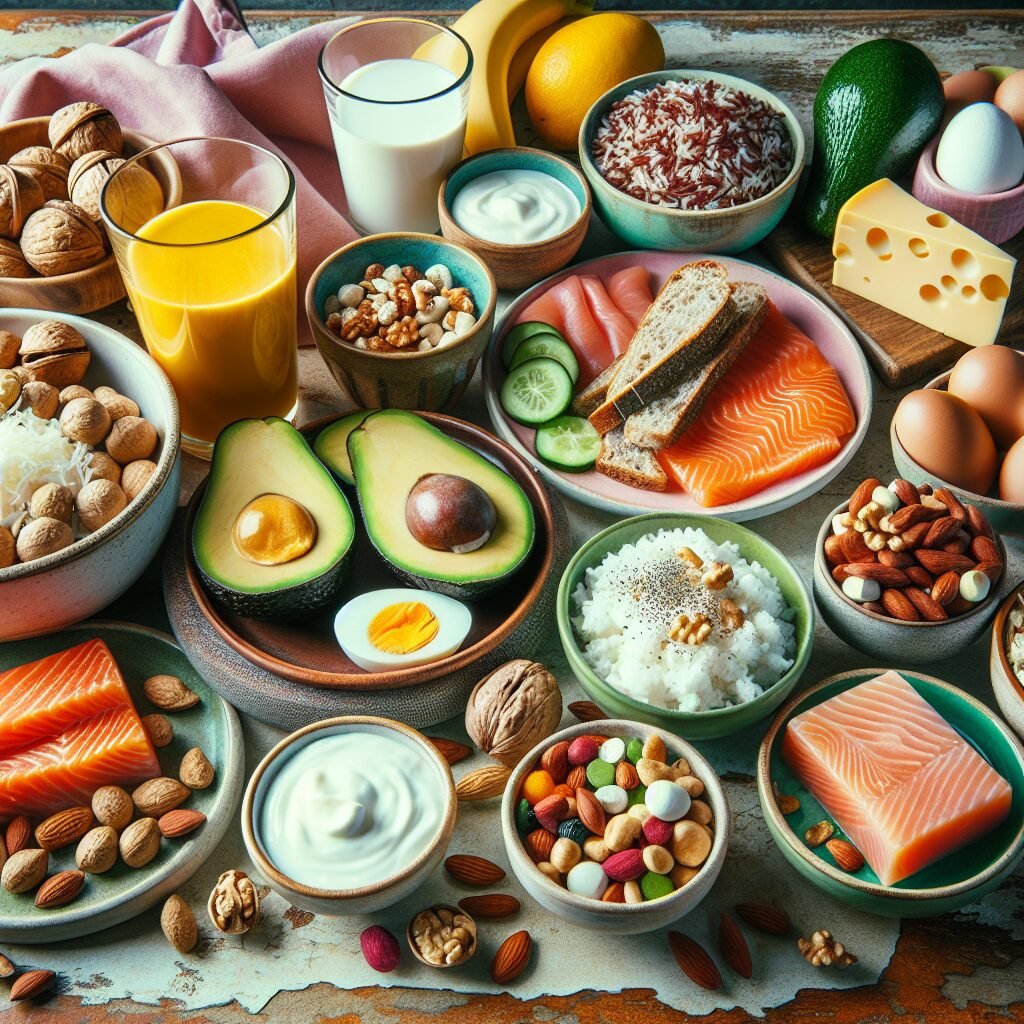
18 Healthy Foods That Can Help You Gain Weight
Gaining weight in a healthy, sustainable way is a challenge for many people, especially those who are naturally lean, have higher metabolic rates, or are working to build muscle. The key to effective weight gain lies in consuming more calories than your body burns while emphasizing nutrient-rich foods that support overall well-being and muscle growth. Whether you’re looking to build strength, recover from illness, or simply maintain a healthy body weight, choosing the right foods can make a significant difference in your results.
One of the most potent strategies to gain weight quickly and safely is to focus on foods with high calorie density and rich nutrient profiles. Consuming frequent, smaller meals throughout the day is more effective than relying on three large meals, particularly for those who have trouble eating large portions in one sitting. Starting with homemade protein smoothies can be especially useful, as these allow you to tailor ingredients and control calorie levels while also packing in protein, vitamins, and minerals. Combining fruits, leafy greens, protein powders, nut butters, and dairy or soy milk, you can easily create delicious shakes that supply between 400–600 calories per serving. This can be a convenient option, as smoothies are portable, customizable, and easy to digest.
Dairy milk continues to be a staple for many aiming for muscle gain, thanks to its ideal balance of protein, carbohydrates, and fats, coupled with essential nutrients like calcium. Cow’s milk is particularly valued for its combination of casein and whey proteins, both shown to support muscle synthesis when paired with resistance training. Lean cuts of meat, such as pork tenderloin or steak, provide not only high-quality protein but also leucine, a crucial amino acid for stimulating muscle growth, and dietary creatine, which aids in building strength and muscle mass. However, health authorities recommend moderation, advising against consuming excessive red meat because of potential links with some cancers.
Rice and other carbohydrates are crucial for energy and weight gain. As a cost-effective, calorie-dense food, rice can form the base for many meals. Adding butter, cheese, nuts, or protein-rich toppings to rice instantly boosts both calories and nutritional value. Potatoes and other complex carbs, such as quinoa, oats, beans, and winter root vegetables, contribute steady energy release and help maintain glycogen stores in muscles, fueling workouts and daily activities. Many of these foods also supply resistant starch that benefits gut health.
Nuts and nut butters are among the most calorie-dense options, providing healthy fats, protein, vitamins, and minerals. Eating just a handful of almonds, peanuts, or cashews can deliver hundreds of calories, making these ideal snacks or mealtime additions. When choosing nut butters, opt for varieties free from added sugars or oils to maximize health benefits. Similarly, seeds like flax and chia can be added to smoothies, cereals, or yogurt to increase both calories and essential nutrients.
Salmon and oily fish are among the healthiest options. These provide high-quality protein along with omega-3 fatty acids, which support heart, brain, and cellular health. Salmon is especially versatile and can be included in meals ranging from salads to wraps or enjoyed grilled, baked, or smoked. Canned salmon can be a convenient and cost-effective alternative to fresh or frozen fish.
Protein supplements such as whey, soy, egg, or pea protein are widely used for gaining weight and building muscle, especially among athletes. These supplements provide a simple and affordable way to boost daily protein intake, and they are particularly effective when combined with strength training. Adding protein powder to shakes, oatmeal, or baked goods is a straightforward method to elevate both calories and protein without increasing meal volume significantly.
Dried fruits are a compact source of calories, natural sugars, fiber, and antioxidants. Dates, apricots, raisins, figs, and other dried fruits retain much of their nutrient content through dehydration, and their convenience makes them easy to pair with nuts, cheese, or yogurt. Filling dates with nut butter or cream cheese can transform a simple snack into a calorie-rich treat.
Whole grain breads are another valuable addition to a weight gain plan, especially when paired with protein-rich spreads or foods like eggs or cheese. Sourdough and seeded varieties not only provide complex carbohydrates but also can deliver gut-friendly probiotics. Sandwiches and toast offer quick, portable options that can be customized to suit taste and calorie needs.
Avocados stand out among fruits due to their high content of beneficial fats and calories. A single avocado delivers over 350 calories and ample dietary fiber, vitamins, and minerals. Their creamy texture makes them ideal for spreading on toast, topping salads, or blending into dips like guacamole and even using as a mayonnaise substitute.
Cereals, both hot and cold, offer a dependable way to consume extra calories. Oatmeal prepared with whole milk is particularly nutritious, and can be topped with berries, nut butter, seeds, honey, or granola to further increase its calorie content. Research shows that cereal eaters generally have higher intakes of vital nutrients and may enjoy benefits related to lower blood pressure and improved blood sugar regulation.
Cereal bars are convenient for on-the-go snacking, and healthy options supply a mix of slow and fast-digesting carbs, protein, and fats. Pairing cereal bars with Greek yogurt, eggs, or protein shakes can help round out their nutrient profile and make them a more complete snack.
Dark chocolate provides antioxidants and beneficial ingredients like fiber and magnesium, as well as delivering hundreds of calories per serving. Choosing varieties with at least 70% cacao ensures you get the most health-promoting compounds. Enjoy dark chocolate as a snack, topping for cereal or granola, or as the key ingredient in nutritious desserts.
Cheese is another versatile and calorie-rich food to include in a weight gain diet. Varieties such as cheddar, mozzarella, and goat cheese can be used in sandwiches, salads, casseroles, or as a complement to pasta dishes. Cheese blends well with protein sources, vegetables, and whole grains, making it easy to boost both flavor and nutritional value.
Eggs are regarded as one of the healthiest and most affordable muscle-building foods. Consuming both yolks and whites ensures an optimal balance of nutrients, with each egg supplying high-quality protein, fats, and key vitamins. Eggs can be prepared in countless ways, including scrambles, omelets, muffins, custards, and as additions to salads and sandwiches.
Whole milk Greek yogurt combines a thick, creamy texture with a high concentration of protein and calories. Use it as a base for parfaits, smoothies, or blend into puddings and dressings with cocoa powder, honey, and nut butter. Greek yogurt is easy to pair with fruits, nuts, and granola, making it a convenient and satisfying snack.
Fats and oils provide the most concentrated source of calories. Olive oil, coconut oil, avocado oil, and sunflower oil can be worked into salads, sauces, or used in cooking to ensure meals are rich in calories. Adding a tablespoon of oil or butter to dishes instantly boosts energy density, and some trendy options include butter coffee or olive oil coffee for those seeking calorie-rich beverages.
For those asking how much weight is healthy to gain in a week, there is no one-size-fits-all answer. Consulting with a physician or registered dietitian remains the best course for setting realistic, safe weight gain goals. Challenges in putting on weight may result from individual metabolism, genetics, or underlying health issues, and personalized strategies often work best. While fruit is not the single answer for weight gain, combining fruit with nut butter or protein-rich toppings can help increase calorie intake in a balanced way.
Ultimately, a healthy weight gain plan combines protein-rich foods, complex carbohydrates, healthy fats, and dairy in varied meal plans suited to personal preferences and goals. Frequent, smaller meals prevent overwhelming the stomach and make it easier to maintain consistent calorie surplus necessary for weight gain. Pairing increased food intake with resistance training helps the body utilize these added calories to build muscle rather than simply storing fat. Long-term success comes from choosing foods and meal plans that are enjoyable, nutritious, and practical to sustain over time.







Leave a Reply