


18 Healthy Foods to Help You Gain Weight Fast
Gaining weight healthily can be just as challenging as losing it for many people, especially those with fast metabolisms or recovering from illness. Unlike popular belief, effective weight gain isn’t about consuming empty calories from junk food but strategically incorporating nutrient-dense, calorie-rich foods that support muscle growth and overall wellness. This approach ensures you build quality mass rather than excess fat while nourishing your body with essential vitamins and minerals. The right dietary choices can transform your journey, making weight gain sustainable and beneficial for long-term health. Understanding which foods provide balanced nutrition alongside sufficient calories is key to achieving your goals without compromising wellbeing.
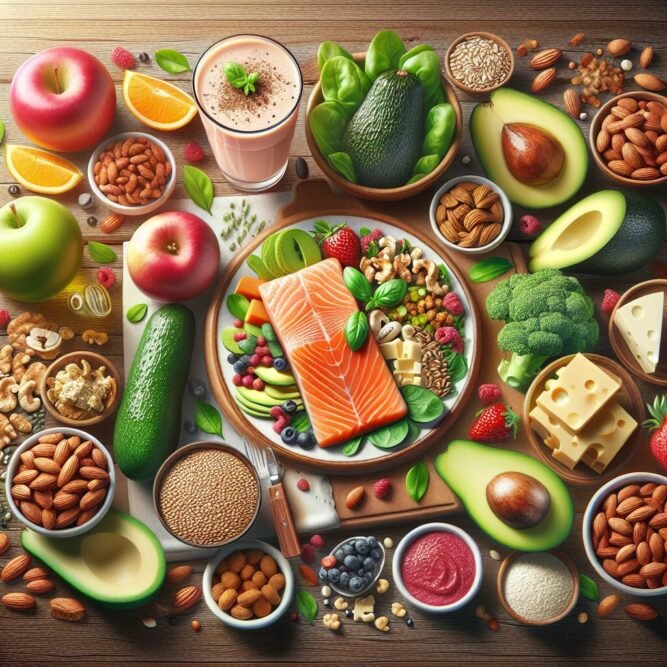
Protein-rich options form the cornerstone of any healthy weight gain plan, as they repair tissues and build muscle. Homemade protein smoothies offer a versatile starting point, blending ingredients like bananas, chocolate whey protein, and nut butters to deliver 400–600 calories per serving alongside high-quality protein and micronutrients. Milk stands out as a classic choice, providing an ideal mix of protein, carbohydrates, and fats plus calcium and other vitamins. Its combination of whey and casein proteins supports muscle synthesis, especially when paired with strength training. For substantial protein intake, red meats like steak supply leucine—an amino acid critical for muscle growth—along with creatine and nearly 50 grams of protein per serving. Eggs and full-fat yogurt further enhance this category, offering complete proteins and healthy fats that keep you satiated while fueling growth.
Healthy fats are equally vital, packing more than double the calories per gram compared to proteins or carbs. Nuts and nut butters, such as almonds, deliver dense calories with heart-healthy monounsaturated fats, fiber, and protein—just a quarter-cup provides 170 calories. Avocados contribute 322 calories per large fruit, rich in fiber and beneficial plant compounds, while cheese adds concentrated calories and protein in versatile forms. Dark chocolate with 70%+ cacao content offers antioxidants alongside calories, supporting heart health and stress regulation. Healthy oils like olive oil let you effortlessly add 120 calories per tablespoon to meals through dressings or cooking. These fats not only boost caloric intake but also aid nutrient absorption and reduce inflammation, making them indispensable for sustainable weight gain.
Complex carbohydrates provide the sustained energy needed to fuel activity and replenish glycogen stores in muscles. Rice, potatoes, and other starchy foods like oats and quinoa deliver substantial calories per serving while supplying fiber and resistant starch that nourish gut bacteria. A single cup of cooked rice offers over 200 calories and 44 grams of carbs, easily enhanced with protein-rich toppings like eggs or cheese. Whole-grain bread and healthy cereals such as oatmeal cooked in whole milk create balanced, high-calorie meals that stabilize blood sugar. Cereal bars offer convenient on-the-go options with slow- and fast-digesting carbs, ideal for pre- or post-workout nutrition. These carb sources ensure your body has the fuel required for daily functions and muscle recovery without spiking blood sugar levels.
Fatty fish like salmon bridge multiple nutritional categories, combining high-quality protein with omega-3 fatty acids that combat inflammation and support heart health. A 170-gram serving of wild sockeye salmon provides 250 calories, 37 grams of protein, and 12 grams of healthy fats—making it a powerhouse for muscle development. Dried fruits add natural sweetness and concentrated calories through dehydrated sugars while retaining fiber and micronutrients often lost in processed snacks. Protein supplements, particularly whey, serve as efficient boosters for those struggling to meet daily requirements, supplying all essential amino acids that stimulate muscle growth. When integrated thoughtfully, these foods prevent the common pitfall of relying on sugary or processed options that lead to unhealthy fat accumulation.
Practical integration is crucial for consistency. Start your day with oatmeal prepared in whole milk topped with nuts and dried fruit, or blend a protein smoothie with avocado for added creaminess and calories. Incorporate rice or potatoes into lunch and dinner, pairing them with lean meats or fish and healthy fats like olive oil. Snack on handfuls of nuts, cheese slices, or cereal bars between meals to steadily increase caloric intake. Cooking with full-fat dairy and oils instead of low-fat alternatives subtly elevates calorie density without altering familiar recipes. The goal is gradual, steady weight gain—aiming for 0.5 to 1 pound per week—to ensure new mass is primarily muscle rather than fat.
It’s important to recognize that weight gain strategies must align with individual health conditions. Those with digestive sensitivities might prioritize easily digestible proteins like yogurt or smoothies, while people managing blood sugar should focus on complex carbs and pair fruits with fats or proteins. Consulting a healthcare provider or nutritionist helps tailor approaches, especially for individuals with underlying conditions like thyroid disorders or malabsorption issues. Vinmec’s nutrition experts emphasize that successful weight gain combines dietary changes with strength training to build functional muscle, avoiding the pitfalls of passive calorie surplus.
Hydration and mindful eating practices support this process. Drinking fluids between meals—not during—prevents premature fullness, allowing greater food intake. Chewing thoroughly aids digestion and nutrient absorption, which is critical when maximizing the benefits of calorie-dense foods. Tracking progress through measurements rather than just scale weight provides a clearer picture of muscle versus fat gain. Patience remains essential, as healthy weight gain unfolds gradually over weeks and months. Consistency with nutrient timing—such as consuming protein within 45 minutes post-workout—optimizes muscle recovery and growth.
Ultimately, healthy weight gain revolves around balance and quality. Prioritizing whole, minimally processed foods ensures your body receives the building blocks it needs while avoiding the inflammation and health risks associated with junk food. Foods like salmon, nuts, and whole grains deliver calories alongside antioxidants, vitamins, and minerals that bolster immunity and energy levels. This holistic approach transforms weight gain from a frustrating challenge into a sustainable lifestyle shift that enhances overall vitality. By focusing on nutrient density rather than sheer quantity, you achieve lasting results that support both physical strength and long-term wellbeing, proving that gaining weight healthily is not only possible but profoundly beneficial.





Leave a Reply