


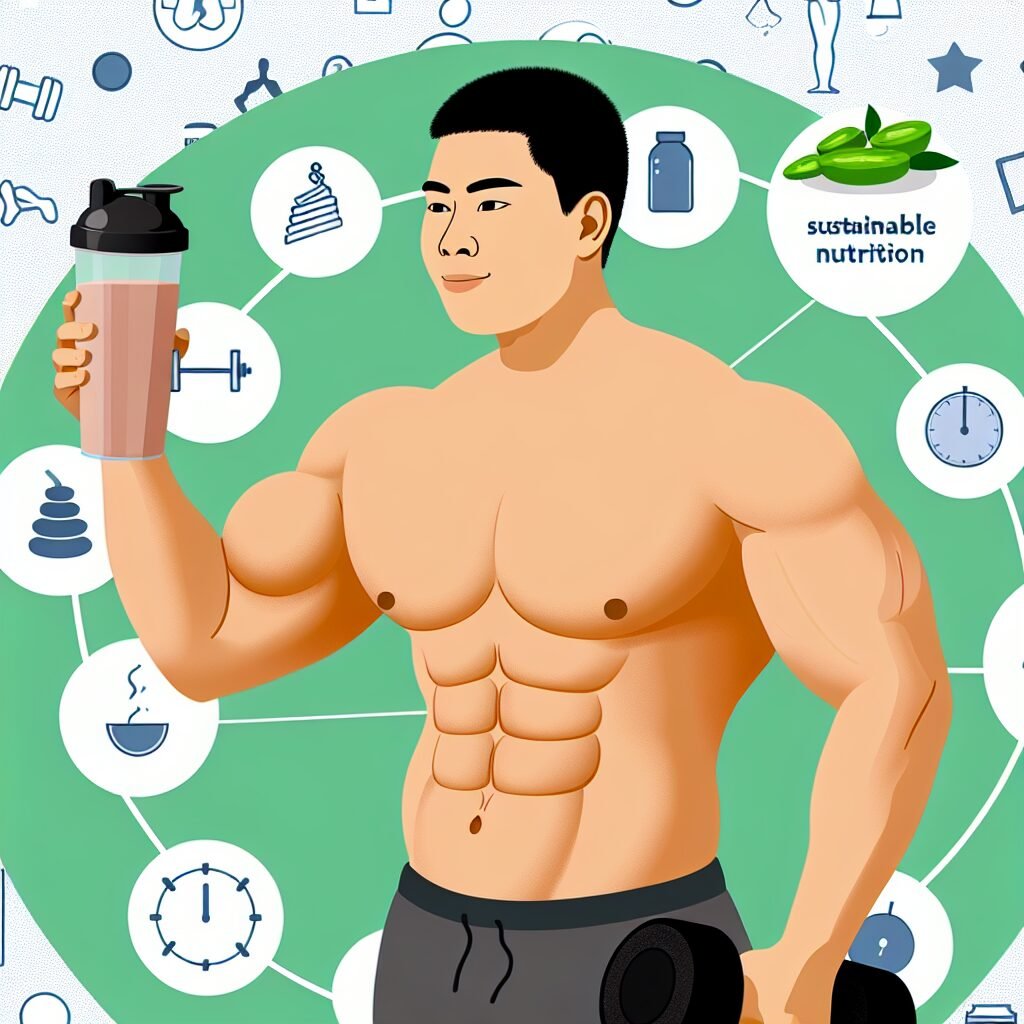
A Simple Strategy for Fat Loss or Muscle Gain
The journey to achieving a better body composition, whether through fat loss, muscle gain, or both, is often mired in complexity and confusion. Most diets either become overly restrictive and lead to obsessive calorie counting or require drastic lifestyle changes. However, the core principles of effective body transformation are surprisingly simple: eat fewer calories to lose fat, and consume more calories while lifting weights to gain muscle. The key is finding a balance that works sustainably without sacrificing health or social life.
Fat-loss diets often have two main issues: they can be too calorie-restrictive, leading to muscle loss and metabolic slowdown, or they may require cutting out entire food groups, which can be unsustainable. On the other hand, muscle-gain or bulking diets tend to prioritize calorie intake over health, leading to excess fat gain and poor eating habits. However, there’s a middle ground where simple strategies can be effective without requiring drastic measures.
One such strategy involves adjusting your calorie intake by a moderate amount. For fat loss, consuming about 300 fewer calories than your maintenance level can be effective. This can be achieved by replacing one meal with a protein shake, which reduces overall calorie intake while maintaining protein levels. For muscle gain, adding about 300 calories beyond your maintenance level can fuel growth without excessive fat gain. This can also be achieved with a protein shake, augmented with healthy fats or fruits to increase calorie content.
The concept of maintenance calories is crucial here. It refers to the number of calories your body needs to maintain its current weight. While there are formulas to estimate this, a simpler approach is to observe whether your body weight has remained stable over months. If so, your current diet is likely at your maintenance level. Adjusting by a couple of hundred calories up or down can then be used to achieve your goals.
Choosing the right protein shake is important. A blend of high-quality proteins like micellar casein and whey isolate provides sustained muscle support. It’s also important to avoid low-quality fillers and ensure the shake tastes good to maintain compliance.
Another strategy for achieving body recomposition involves more nuanced calorie management. This includes using a small calorie deficit for fat loss while ensuring enough protein to preserve muscle mass. Some studies suggest that a daily calorie deficit of 200-300 calories can allow for simultaneous fat loss and muscle gain, though results can vary based on overall diet quality and training intensity.
Effective body transformation also requires a balanced approach to training. Lifting weights is essential for muscle gain, while moderate cardio can help with fat loss without sacrificing too much muscle mass. The goal is to find a balance that allows you to lose fat without losing muscle or to gain muscle without adding too much fat. This balance can be achieved by adjusting your calorie intake slightly and focusing on high-quality protein and nutrient-dense foods.
Ultimately, the best approach to fat loss and muscle gain is one that is sustainable and simple. Overly complex diets can lead to frustration and burnout, while simple strategies like the “300-calorie fix” offer a more accessible path to achieving your goals. By focusing on a balanced diet and regular training, you can improve your body composition without turning your life into a never-ending diet.
In conclusion, while the idea of losing fat and gaining muscle simultaneously, known as body recomposition, can seem daunting, it’s achievable with the right strategy. By understanding the importance of calories, protein, and training, you can create a plan that works for you without needing to count every calorie or eliminate entire food groups from your diet. Consistency and patience are key, as real body transformation takes time and dedication. With a balanced approach, you can achieve your goals and maintain them over the long term.






Leave a Reply