



Beginner’s Guide to Bulking and Cutting
Bulking and cutting are foundational strategies designed to help individuals build muscle mass and reduce body fat, core elements in achieving an aesthetically pleasing and strong physique. The origins of these practices can be traced back to bodybuilding’s golden age, where iconic figures like Arnold Schwarzenegger and Lou Ferrigno popularized the process. Today, the methods of bulking and cutting remain central to countless fitness journeys. For those just starting to explore how to bulk and cut, understanding the science and practical application behind these approaches is essential for long-term success and health.
At its core, bulking involves intentionally eating at a caloric surplus to promote an anabolic, or growth, state within the body. During a bulk, the body uses excess energy to construct new tissues, primarily muscle and bone. This process requires careful nutritional planning: the surplus should be modest, just enough above one’s maintenance calorie level to encourage muscle growth without leading to unnecessary fat accumulation. Slow, steady increases in body weight and strength are signs of an effective bulking cycle. Consuming more calories than you burn through daily activities and exercise is what distinguishes a successful bulk, but more is not always better. Excess caloric intake, especially from poor-quality sources, can result in increased fat storage, complicating future fat-loss goals.
Nutrient composition during a bulk is just as critical as overall calorie intake. While protein is vital for muscle repair and growth, scientific evidence shows that the amount required may be lower than commonly believed. Most individuals should target between 1.3 and 1.8 grams of protein per kilogram of bodyweight, which supports muscle building without overburdening the digestive system or finances. Fats should be included in moderate amounts, supporting hormonal balance and overall well-being. Carbohydrates play an especially important role during bulking, as they replenish glycogen stores that fuel heavy, intense lifting sessions. Glycogen not only powers workouts but also supports insulin spikes, which can further promote muscle growth. These factors are why low-carb diets are generally discouraged in the context of bulking phases.
Effective bulking isn’t just about nutrition; training strategy is equally crucial. For muscle growth, focus should be placed on lifting heavy weights in a moderate repetition range, usually between eight and twelve reps per set. Core compound movements, such as squats and bench presses, form the foundation of any solid program. These lifts allow for progressive overload, which is the gradual increase of weight over time—a proven stimulus for muscle growth. Accessory exercises then target specific muscle groups to create balanced development. Consistent, incremental progression with weights and reps signals ongoing gains and underlines that the surplus energy is translating into muscle rather than excess fat.
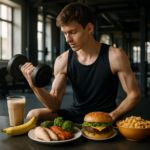
An important pitfall to avoid is what’s known as “dirty bulking.” This approach, which involves eating large amounts of calorie-dense junk food under the premise of gaining mass quickly, tends to result in more fat than muscle gain. It also poses risks for general health, increasing the burden during the subsequent cutting phase when the goal becomes removing excess body fat while retaining muscle. Therefore, maintaining a clean, whole-food-based diet with controlled caloric excess is strongly advised during a bulk.
The other half of the physique optimization equation is cutting, which means switching to a caloric deficit. Cutting places the body in a “catabolic” state, where tissue breakdown exceeds new tissue creation, leading to weight loss. The principal aim when cutting is to shed fat while conserving as much muscle mass and strength as possible. Successful cutting is achieved by eating fewer calories than your body needs to maintain its current weight, which forces it to tap into stored energy, primarily from fat. However, it’s vital not to slash calories too drastically, as extreme diets are unsustainable, can compromise health, and often lead to rebound weight gain once normal eating resumes.
For optimal results, weight loss during the cutting phase should be gradual and manageable, favoring sustainable habits over quick fixes. Instead of adopting extreme restrictions or eliminating entire food groups, focus on nutrient-dense foods that give the body all the vitamins and minerals required to maintain health and support activity. Gradual reductions not only protect physical health but also support ongoing performance in the gym, ensuring that muscle loss is minimized.
Exercise routines during a cut should shift slightly to promote increased calorie burn each session. Dynamic workouts, which keep the heart rate elevated—such as those incorporating supersets, reduced rest intervals, and higher overall training density—are particularly effective. Cardio training, especially high-intensity interval training (HIIT), is often used during cutting because these workouts burn maximum calories in minimum time. However, strength training should remain a significant part of the regimen. While it’s unrealistic to expect major strength gains while cutting, ongoing resistance training helps preserve muscle tissue and maintain a sculpted appearance as body fat drops.
Non-exercise activity thermogenesis (NEAT) is a lesser-known but impactful factor during weight loss. NEAT represents the calories burned through everyday activities that are not sleeping, eating, or sports exercise—things like walking, fidgeting, or doing household chores. Small increases in NEAT, such as choosing to stand instead of sit, taking the stairs, or walking more throughout the day, can contribute significantly to the daily calorie burn and aid the fat loss process.
One nutritional priority during cutting is to maintain or slightly elevate protein intake compared to bulking. While muscle growth is not the primary objective during a cut, protein plays a crucial role in preserving existing muscle tissue as the body mobilizes fat stores. Targeting at least 1.8 grams of protein per kilogram of body weight is typically recommended, as higher protein diets help guard against muscle breakdown associated with calorie deficits.
For beginners considering bulking and cutting, it is essential to weigh the benefits and risks of this cyclical approach. Benefits include greater muscle gain during bulking and more defined physique after cutting, but risks revolve around gaining excessive fat, becoming fixated on rapid results, or implementing unsustainable habits. Listening to the body and making incremental, evidence-based changes is the safest way forward. The process is not meant to be rushed; both growth and fat loss require patience, consistency, and an understanding that lasting progress is gradual.
It’s important to recognize that not everyone needs to pursue a full bulk-cut cycle to improve body composition or health. Many find success with more moderate approaches or by slowly recomposing their bodies over time. Those just starting out should consider seeking additional expert advice or personal training to create a plan that fits their individual needs and goals.
Ultimately, the strategies behind bulking and cutting are centered on balancing caloric intake and expenditure while integrating high-quality nutrition and effective training. These cycles, introduced by professional bodybuilders and refined over decades, remain integral to building muscle and achieving optimal definition. Proper execution relies on knowledge, soft discipline, and respect for the body’s needs and limits. By adhering to the principles of bulking and cutting—controlled caloric surplus for growth, careful deficit for fat loss, balanced macronutrients, structured strength training, and smart cardio—anyone can move closer to their ideal physique, all while maintaining a foundation of health and fitness for years to come.



Leave a Reply