


Beneficial Weight Gain Tips and Ectomorph Diet Rules
Gaining weight as an ectomorph—someone with a naturally slim, long-limbed body, fast metabolism, and difficulty putting on muscle—requires a unique and strategic approach to both diet and exercise. Unlike those with other body types, ectomorphs burn calories quickly and often struggle to put on weight, no matter how much they eat. This challenge comes down to their metabolic rate: eating more simply speeds up the metabolism further, making it crucial to adopt habits specifically tailored for weight gain and muscle growth in ectomorphs.
The first consideration in an effective ectomorph weight gain strategy is gym activity. Many naturally skinny individuals make the mistake of increasing their time at the gym, believing more effort will lead to more muscle. However, for ectomorphs, excessive gym time is counterproductive. Muscle is broken down during exercise but is only built during rest and recovery. Too frequent or prolonged gym sessions can deprive the body of essential regeneration time, stalling gains or even causing muscle loss. For best results, ectomorphs should limit resistance training to three or four days a week, with sessions lasting around 45 minutes. Prioritizing large compound movements such as squats, deadlifts, presses, and rows triggers a stronger hormonal response, fostering muscle growth more efficiently than focusing on isolation exercises like bicep curls or leg extensions. This targeted approach minimizes excessive calorie burn and maximizes the potential for building muscle.
Calorie tracking is another critical tool. It’s common for ectomorphs to assume they’re eating enough simply because they seem to eat more than peers, but studies and anecdotal reports indicate that they typically overestimate their intake. Effective weight gain hinges on being in a sustained calorie surplus, meaning you consistently consume more calories than you burn. Without tracking, even dedicated eaters may fail to reach this threshold, leading to prolonged periods of stagnation. Meticulous monitoring of calories ensures the intake is sufficient to drive weight and muscle gains while allowing for fine-tuning based on progress.
Sleep is a vital, often overlooked component of healthy weight gain for ectomorphs. Many operate under the false impression that six or seven hours of sleep is adequate, but this amount impedes physical recovery, hormonal balance, and muscle growth. Deeper recovery processes and the release of growth hormones occur most effectively during eight to nine hours of quality sleep. Resting not only repairs muscles but also sets the stage for the next day’s training and eating, reinforcing the importance of prioritizing sleep in any mass-gaining regimen.
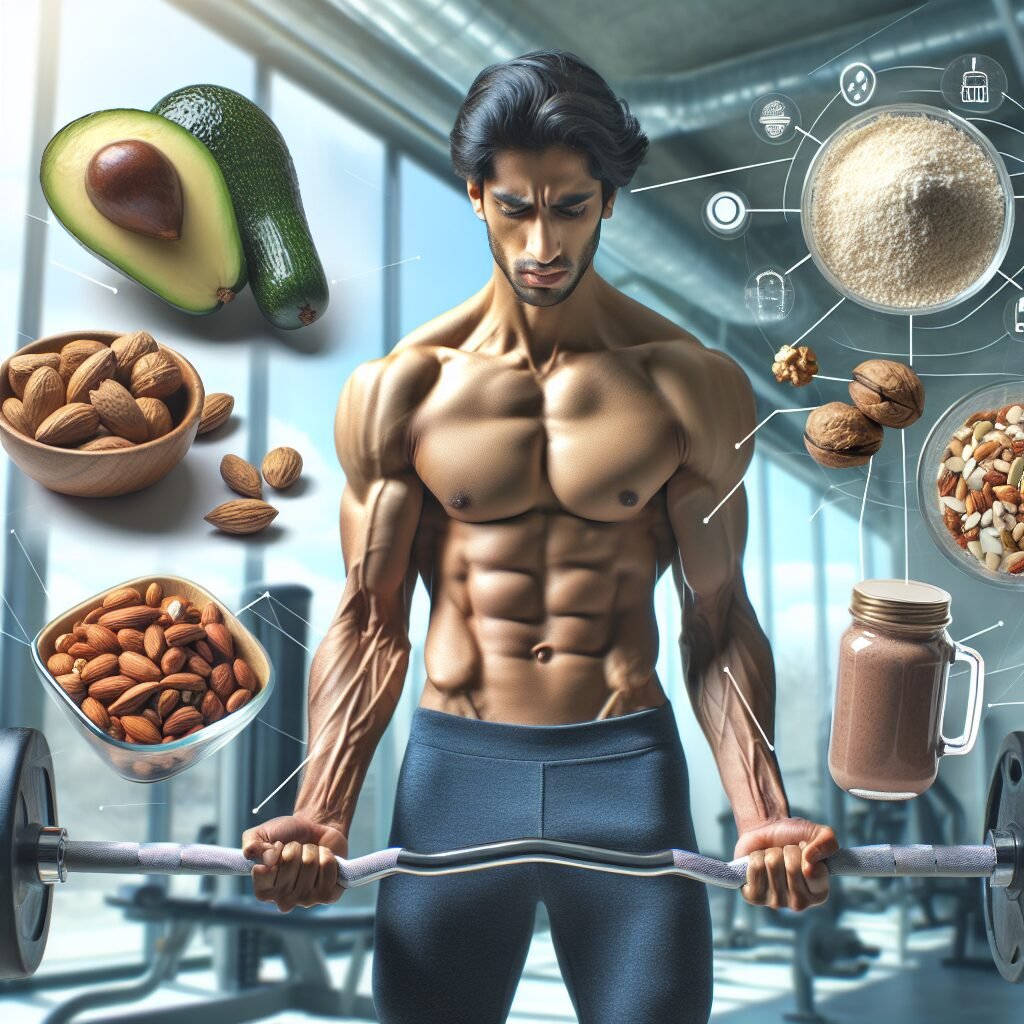
Dietary choices play a foundational role. Because of a naturally smaller appetite and limited stomach capacity, ectomorphs must be strategic about the foods they eat to maximize caloric intake without overwhelming their digestion. Avoiding foods with low calorie density—those that provide volume but few calories, like large salads or watery vegetables—makes room for calorie-dense options that provide more energy in smaller servings. Foods such as nuts and nut butters, whey protein powder, avocados, dried fruits, bagels, fatty fish like salmon, and grass-fed beef should be dietary staples. These options make it easier to increase daily calorie totals without requiring uncomfortably large meals.
Consistency and frequency of meals are particularly beneficial. Dividing caloric targets across six to eight smaller meals throughout the day helps ectomorphs avoid the discomfort of three oversized meals and ensures a continuous supply of energy and nutrients for growth. Eating every two to four hours—aiming for meals of 400 to 500 calories each—supports digestion, keeps energy even, and facilitates steady nutrient absorption. At each meal, a balanced approach that includes lean protein, complex carbohydrates, and healthy fats helps provide the macronutrients and micronutrients essential for muscle repair and hormone function. For an average ectomorph aiming to gain weight, these frequent meals can make consuming the necessary 3,000 to 4,000 daily calories more manageable.
Another effective strategy is incorporating homemade shakes into the routine. Blended shakes allow for creative combinations of high-calorie foods in a format that’s quick and easy to consume, making them ideal for those who struggle with large solid meals. By using ingredients such as nut butters, coconut oil, flaxseeds, cottage cheese, full-fat Greek yogurt, or ground oats, these shakes become powerful tools to increase caloric and nutrient intake. Importantly, it’s best to avoid commercially produced weight-gainer shakes, which often contain excessive sugars and low-quality calories that provide little nutritional benefit and can lead to energy crashes or unbalanced nutrient profiles. Homemade versions allow control over nutritional content and taste, ensuring that each shake contributes meaningfully to overall health and muscle growth.
Monitoring overall daily activity is a less obvious but significant aspect of weight gain for ectomorphs. Many in this body type are naturally restless, prone to pacing, fidgeting, or engaging in extra non-exercise movements throughout the day. This subconscious activity can burn hundreds of additional calories daily, sabotaging even the most diligent eating and gym efforts. Becoming mindful of these habits and making a conscious effort to reduce non-essential movement—by practicing relaxation techniques or scheduling regular periods of rest—can aid in creating the calorie surplus necessary for weight gain.
The overall nutrition strategy for an ectomorph centers on higher carbohydrates and calorie intake—typically 50 to 60 percent of calories from carbohydrates, 25 to 30 percent from protein, and the remainder from fat. Complex carbohydrates such as oatmeal, brown rice, sweet potatoes, and whole grains provide long-lasting energy and help fuel demanding workouts, while lean proteins and healthy fats support muscle repair and hormone synthesis. While it can be tempting for hardgainers to justify eating anything and everything—including junk food—in the pursuit of more calories, prioritizing nutrient-dense whole foods will create a foundation for healthy, sustainable weight and muscle gain.
Adopting these principles makes it possible for those with an ectomorph body type not only to gain weight but to build significant muscle over time. Adjustments in exercise routines, meal frequency, dietary choices, and lifestyle factors such as sleep and daily habits form a holistic approach that addresses the unique challenges of ectomorphs. Ultimately, this strategy offers a clear and actionable path to achieve healthy, long-term weight gain and muscle development, transforming a naturally slim physique into one characterized by strength, vitality, and balance.







Leave a Reply