


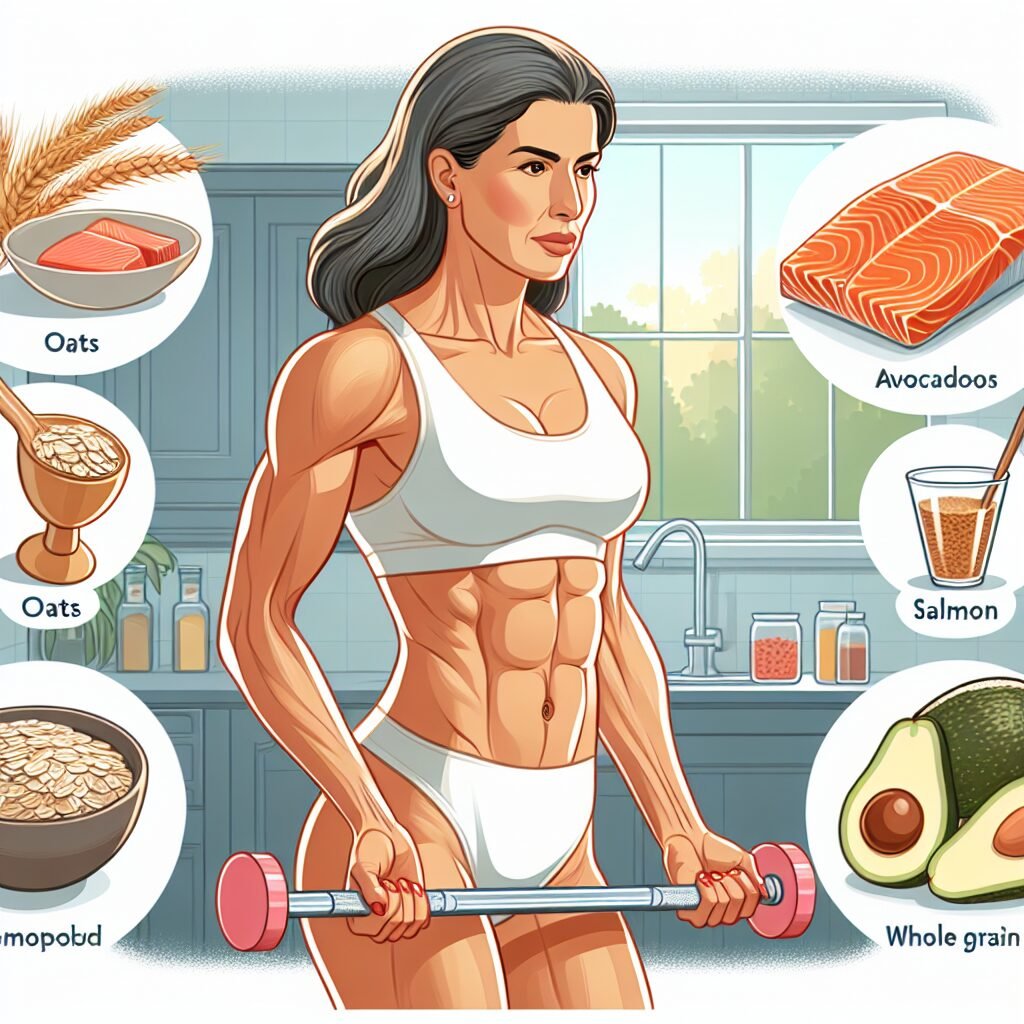
Ectomorph Diet Plan for Women and Key Macros
Women with ectomorph body types face a unique set of challenges when it comes to managing their weight and building muscle mass. Characterized by naturally slim frames, narrow shoulders, long limbs, and exceptionally fast metabolisms, ectomorphs often struggle to gain weight regardless of how much they eat. While this might sound enviable to some, the reality involves difficulties building muscle, feeling full quickly, and experiencing fatigue even during minimal physical activity. Research confirms that ectomorphs typically have longer limbs and leaner frames compared to other body types, with metabolisms that process energy at an accelerated rate.
The misconception that ectomorphs can eat anything without consequences is particularly problematic. While weight gain may seem impossible, simply increasing caloric intake through junk food leads to unhealthy fat accumulation and nutritional deficiencies rather than the lean muscle development most women desire. The key lies in consuming nutrient-dense foods in appropriate quantities, creating a strategic approach that works with rather than against the body’s natural tendencies. A well-designed ectomorph diet focuses on foods that support muscle growth while maintaining steady energy levels throughout the day, particularly important for women navigating hormonal changes during perimenopause and menopause.
Studies demonstrate that ectomorphs benefit from specific nutritional approaches due to their unique carbohydrate processing capabilities. This metabolic advantage means ectomorphs can consume more carbohydrates than other body types without adverse effects. However, this doesn’t translate to unlimited eating or poor food choices. The optimal macronutrient distribution for ectomorphs follows a fifty-thirty-twenty split, allocating fifty percent of calories to carbohydrates, thirty percent to protein, and twenty percent to healthy fats. This combination provides quick energy for the body’s fast-burning engine, supports muscle fiber rebuilding after exercise, and maintains hormone production, including estrogen levels that naturally decline with age.
Carbohydrates serve as the ectomorph’s primary fuel source, with complex carbohydrates like oats, quinoa, and sweet potatoes providing sustained energy without the rapid crashes associated with simple sugars. These foods should comprise at least half of daily caloric intake, fueling workouts and supporting the body’s heightened metabolic demands. Protein intake becomes equally crucial, with recommendations ranging from one point two to one point six grams per pound of body weight distributed across multiple meals throughout the day. Eggs at breakfast, grilled chicken at lunch, and lentils at dinner create a steady supply of amino acids for muscle repair. Plant-based options including tofu and hemp seeds offer viable alternatives while providing the added benefit of increased satiety, preventing the rapid return of hunger that ectomorphs commonly experience. For women in their perimenopausal and menopausal years, adequate protein intake becomes even more critical for combating sarcopenia, the age-related muscle loss that accelerates during hormonal transitions.
Healthy fats function as slower-burning fuel compared to carbohydrates while supporting hormonal balance and sustained energy levels. Contrary to outdated dietary fears, fats are essential allies in managing hormonal fluctuations and maintaining vitality. Incorporating avocados into smoothies, adding nuts to oatmeal, or drizzling olive oil over roasted vegetables provides necessary fatty acids. Omega-three fatty acids from salmon or chia seeds combat inflammation that increases with stress and aging, while dietary fats facilitate absorption of fat-soluble vitamins like D and E, crucial for bone health during menopause.
Food selection for ectomorphs prioritizes calorie-dense, nutrient-rich options rather than empty calories. Nut butters spread on whole-grain toast, dried fruits like raisins and apricots, full-fat dairy products including whole milk and cheese, and granola loaded with oats and seeds provide substantial calories without excessive volume. Dark chocolate with seventy percent cocoa or higher delivers antioxidants alongside calories, while hummus paired with vegetables or pita adds plant-based calories and fiber. These foods supply vitamins and minerals that become increasingly important for bone density and skin health as hormonal balance shifts with age.
Complex carbohydrates should form the foundation of every ectomorph meal plan. Brown rice, barley, and whole-grain pasta provide lasting energy ideal for breakfast or lunch, supporting activities throughout the day. Simple carbohydrates maintain their place strategically around workouts, with fruits like bananas, mangoes, and pineapples serving as excellent pre- or post-exercise snacks. However, sugary cereals and sodas create rapid energy spikes followed by crashes and should be avoided. Combining proteins with healthy fats in every meal maximizes benefits and ensures consumption of all essential amino acids. Greek yogurt paired with almonds, turkey slices with avocado, or fatty fish like mackerel and sardines create optimal combinations. Plant-based alternatives include edamame in stir-fries or walnuts blended into smoothies, while coconut oil adds flavor to roasted vegetables and tahini enhances dressings and dips.
A practical meal plan demonstrates how these principles translate into daily eating habits. Breakfast might include a large bowl of steel-cut oats topped with sliced banana, macadamia nuts, and honey, alongside two scrambled eggs with cheese and spinach, plus a glass of whole milk, totaling seven hundred to eight hundred calories. A mid-morning snack of Greek yogurt with mixed berries, granola, and pecans adds another three hundred to four hundred calories. Lunch consisting of whole-grain pasta with olive oil and grilled chicken, a side salad with avocado and olive oil dressing, and fruit provides six hundred to seven hundred balanced calories. An afternoon smoothie made with protein powder, banana, peanut butter, and milk, accompanied by whole-grain crackers with cheese, maintains energy and prevents crashes.
Meal timing proves equally important as food selection. Eating every two to four hours keeps metabolism active and prevents energy depletion. Setting phone reminders and keeping nutrient-dense snacks readily available ensures consistency. This frequent eating pattern supports the ectomorph metabolism while providing steady fuel for daily activities and exercise recovery.
Adjusting dietary intake based on specific fitness goals requires understanding individual needs. Weight gain without excessive fat accumulation demands gradual increases in caloric intake, adding extra olive oil to salads, blending avocados into smoothies, or snacking on trail mix with nuts and dried mango. Tracking calories prevents excessive surplus while strength training ensures gained weight manifests as muscle rather than fat. Muscle growth optimization requires protein consumption every three to four hours through turkey wraps, tempeh stir-fries, or cottage cheese with peaches. Post-workout nutrition combining fast-acting carbohydrates like white rice or mango with protein sources such as whey or lentils accelerates muscle repair. Research suggests higher protein intake, approximately one point six grams per pound of body weight, effectively combats muscle loss in older women. Carbohydrates like barley or buckwheat at dinner maintain energy reserves for subsequent workouts.
Maintaining consistent energy throughout the day requires balancing all three macronutrients in every meal. Breakfast combining eggs, whole-grain toast, and almond butter sets a solid foundation, while snacks of apple slices with peanut butter or roasted chickpeas sustain energy between meals. For women experiencing hormonal shifts during menopause, fiber-rich carbohydrates provide particular benefits. Drinking coconut water, eating dates, or maintaining hydration with plain water prevents mid-day energy crashes. The strategy involves consuming smaller, more frequent meals without overeating, creating steady energy levels that support daily activities and exercise.
Exercise recommendations for ectomorphs emphasize muscle building over calorie burning. Strength training with heavier weights and fewer repetitions using compound movements like squats, deadlifts, and push-ups breaks down multiple muscle groups simultaneously. Beginners can start with bodyweight exercises such as lunges and planks before progressing to weighted movements. Resistance training provides additional benefits for aging women by protecting bones and joints. While cardiovascular exercise supports heart health, excessive cardio undermines weight gain goals. Ectomorphs should limit cardio to approximately thirty minutes three times weekly, focusing on low-intensity activities like brisk walking after meals, which research indicates offers greater metabolic benefits than prolonged intense cardio sessions.
Recovery and rest prove as crucial as the workouts themselves, since muscle building occurs during rest periods rather than during exercise. Seven to nine hours of quality sleep each night, consistent hydration throughout the day, and rest days between strength training sessions allow proper recovery and muscle development.
Common dietary mistakes undermine progress for many ectomorph women. Insufficient caloric intake represents the most frequent error, as the body’s rapid metabolism requires surplus calories for weight gain. Tracking food intake ensures consumption exceeds three thousand calories daily when needed. For those unaccustomed to large meals, frequent snacking on trail mix or consuming liquid calories through smoothies containing oats, protein powder, and coconut milk effectively increases intake. Proper tracking prevents fatigue, supports workout performance, and eliminates sleep disruptions caused by hunger. Over-reliance on processed foods for quick calories sabotages long-term health. Instead of chips and cookies, choosing nutrient-dense whole foods provides sustained energy and supports muscle growth. Trading sugary cereal for oatmeal with almond butter and figs, or selecting salted pumpkin seeds over pretzels, offers better nutritional value. Processed foods exacerbate menopause symptoms including bloating and mood swings. Neglecting protein or healthy fats while over-emphasizing carbohydrates leads to poor muscle development and energy fluctuations. Each meal requires balance across all three macronutrients, with protein distributed throughout the day since the body processes only twenty to thirty grams at once.
Successfully managing an ectomorph body type requires a comprehensive approach combining strategic nutrition, appropriate exercise, and adequate recovery. The naturally accelerated metabolism demands intentional eating habits and patience with gradual progress. Consistency in meal planning, portion tracking, and workout scheduling creates the foundation for sustainable results. Strength training shapes gains while limiting excessive cardio preserves hard-earned progress. Listening to body signals, especially during hormonal transitions like perimenopause, ensures the approach remains sustainable and effective. Progress may be slow, but systematic application of these principles yields meaningful long-term results in muscle development, energy levels, and overall health for women with ectomorph body types.






Leave a Reply