


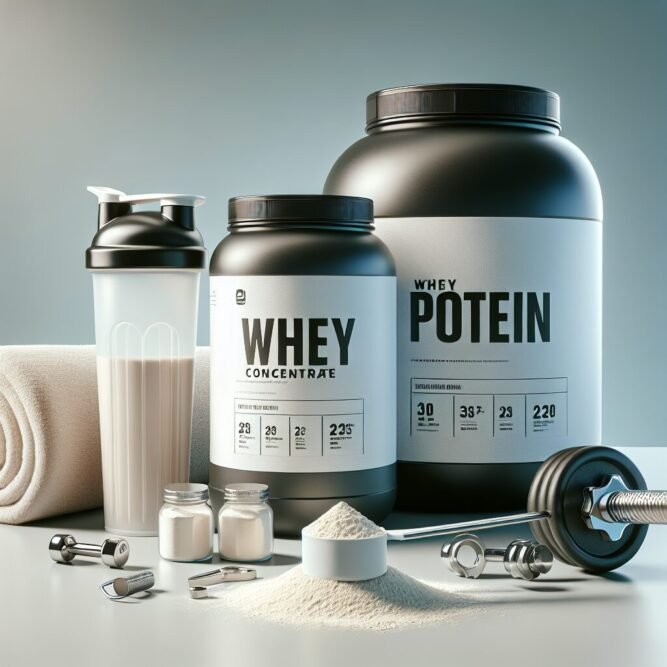
Whey Protein Concentrate vs Isolate Comparison Guide
When it comes to protein supplementation, whey protein stands out as a popular choice for fitness enthusiasts and health-conscious individuals seeking to support muscle growth, recovery, and overall nutrition. Derived from cow’s milk during cheese production, whey protein comes in two primary forms: concentrate and isolate. Understanding the differences between these options helps consumers make informed decisions based on their dietary needs, fitness goals, and sensitivities. Both types deliver complete protein containing all nine essential amino acids, including branched-chain amino acids crucial for muscle protein synthesis, but their processing methods create distinct nutritional profiles. Whey concentrate typically contains about 80% protein by weight, with the remainder comprising fats, carbohydrates, and other milk components. In contrast, whey isolate undergoes additional filtration processes that remove more fat and lactose, resulting in a product that’s usually 90% or higher in protein content. This difference in processing directly impacts their nutritional composition and suitability for various dietary requirements.
The production journey for both forms begins with the liquid whey separated during cheese-making. For concentrate, this liquid is simply dried into powder form after minimal processing. Isolate, however, goes through extra steps like microfiltration or ion exchange that further purify the protein. This additional processing explains why a 100-calorie serving of isolate provides approximately 23 grams of protein compared to concentrate’s 18 grams. While isolate offers higher protein density per serving, concentrate retains more of milk’s natural components, including beneficial immunoglobulins and lactoferrin. These subtle nutritional variations don’t significantly impact muscle-building capabilities since both forms effectively stimulate muscle growth when consumed as part of a balanced diet. Research consistently shows that whey protein supplementation, regardless of type, supports increased lean body mass and strength in active individuals, making it valuable for both athletes and those combating age-related muscle loss.
For individuals with lactose sensitivity, whey isolate often proves more tolerable due to its lower lactose content. While both forms contain minimal lactose compared to dairy products like milk, the extra processing of isolate removes more of this natural sugar. However, many people with mild lactose intolerance can still comfortably consume whey concentrate without issues. The caloric difference between the two is negligible—around 110 calories for a 30-gram serving of isolate versus 120 for concentrate—so calorie counting alone shouldn’t dictate your choice. Instead, consider your broader dietary context: if you’re following a strict low-carb or ketogenic diet, isolate’s minimal carbohydrate content might align better with your goals. Conversely, if you’re in a calorie surplus phase for weight gain, concentrate’s slightly higher fat and carb content could be beneficial. Cost also factors into the decision, as concentrate typically costs less due to its simpler production process, making it a budget-friendly option for those prioritizing value.
Timing your protein intake around workouts influences which form might serve you best. Whey concentrate demonstrates higher bioavailability, meaning it digests and absorbs more quickly than isolate. This rapid absorption makes concentrate particularly effective when consumed immediately after exercise, when muscles急需 amino acids for repair and growth. Post-workout, getting protein into your system quickly supports optimal muscle recovery and adaptation. While isolate still provides excellent protein quality, its slightly slower digestion rate means concentrate has a slight edge for immediate post-exercise nutrition. That said, both forms remain valuable throughout the day for meeting daily protein targets, whether added to smoothies, baked goods, or simply mixed with water. Brands emphasizing clean formulations, like those offering grass-fed whey options with no artificial additives, provide transparency about sourcing and processing—important considerations for health-conscious consumers.
Selecting between whey concentrate and isolate ultimately depends on individual needs rather than one being universally superior. If you prioritize maximum protein per serving with minimal carbs and fats, isolate fits the bill. If cost-effectiveness and retaining more of milk’s natural components matter more, concentrate serves well. Neither form inherently outperforms the other for muscle building, as both deliver the essential amino acids required for muscle protein synthesis. The key is consistent daily protein intake from high-quality sources, whether through whole foods or supplementation. For those avoiding dairy entirely due to allergies or dietary preferences, plant-based alternatives like pea or rice protein offer viable solutions. When choosing any protein powder, scrutinize the ingredient list for unnecessary additives, artificial sweeteners, or fillers—clean formulations with minimal, recognizable ingredients support both health goals and transparency in nutrition.
The clean protein movement has gained momentum as consumers demand greater transparency about what they consume. Products labeled with terms like “grass-fed,” “non-GMO,” and “no artificial ingredients” resonate with those seeking purity in their supplements. This aligns with growing awareness about how food processing affects nutritional value and bodily responses. Whether you choose whey concentrate, isolate, or plant-based options, focusing on whole-food ingredients and minimal processing supports long-term health objectives. Consider your digestive tolerance, fitness targets, and budget when selecting a protein source, but remember that consistency in meeting daily protein requirements matters more than minor differences between concentrate and isolate. Consulting a nutrition professional can help tailor choices to your specific physiology and goals, ensuring your supplementation strategy effectively supports your wellness journey without unnecessary complexity or expense. Ultimately, the best protein powder is one that fits seamlessly into your lifestyle while helping you feel your best through transparent, high-quality nutrition.






Leave a Reply