


11 Most Nutrient-Dense Foods on the Planet
Nutrient-dense foods form the cornerstone of a balanced diet, providing essential vitamins, minerals, protein, fiber, and healthy fats without excessive calories. These powerhouse ingredients deliver maximum nutritional value per serving, supporting everything from brain function to immune health while helping manage weight and reduce disease risk. Unlike highly processed options that offer empty calories, nutrient-dense choices actively contribute to wellness by reducing inflammation, protecting against cellular damage, and keeping bodily systems running smoothly. Understanding which foods pack the most nutritional punch allows anyone to build meals that truly nourish the body from within. The concept centers on selecting foods rich in micro- and macronutrients relative to their calorie content, creating eating patterns that sustain energy levels and promote long-term health without requiring excessive portion sizes.
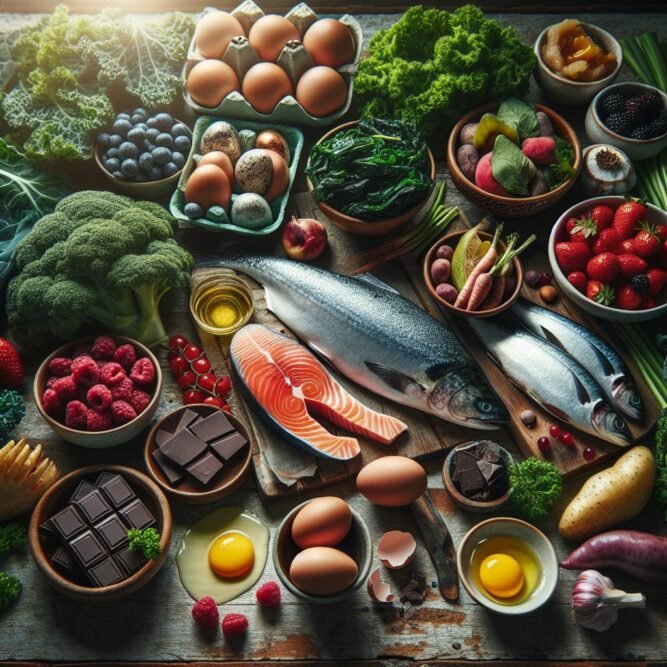
Fatty fish like salmon and sardines stand out as exceptional sources of omega-3 fatty acids, which every cell in the body requires for optimal function. Wild Atlantic salmon provides about 2.2 grams of these essential fats per 100-gram serving alongside high-quality protein and vital nutrients like selenium, B vitamins, and potassium. These components work together to support heart health, cognitive function, and inflammation regulation. Sardines offer similar benefits while being particularly valuable because they can be eaten whole, delivering bones, organs, and other nutrient-rich parts that larger fish typically lose during processing. Both options contain minimal mercury compared to bigger predatory fish, making them safer for regular consumption. When selecting seafood, prioritizing sustainably sourced varieties ensures environmental responsibility without compromising nutritional quality. Including these fish in weekly meal plans provides foundational support for cardiovascular and neurological systems through their unique fatty acid profiles.
Leafy greens and vegetables like kale and seaweed deliver extraordinary nutrition with minimal caloric impact. Kale exemplifies this with its impressive array of vitamins A, C, and K plus minerals like calcium and manganese—all in a single cup containing just 9 calories. This cruciferous vegetable also contains cancer-fighting compounds that activate protective mechanisms within the body. Seaweed varieties such as nori provide distinctive minerals including iodine, which the thyroid needs to produce essential hormones, along with calcium, iron, and magnesium. Research suggests seaweed’s polysaccharides may offer antioxidant properties that combat oxidative stress contributing to chronic inflammation. Both foods demonstrate how plant-based options can supply concentrated nutrition without overwhelming the diet with calories, making them ideal for maintaining healthy weight while ensuring micronutrient adequacy. Their versatility in cooking—from smoothies to sushi—allows easy integration into daily eating habits.
Animal-based powerhouses like eggs and liver provide complete protein profiles alongside hard-to-find nutrients. Eggs deserve their “nature’s multivitamin” nickname because the yolk contains choline for brain health, lutein and zeaxanthin for eye protection, and high-quality protein that promotes satiety. Studies show eating eggs for breakfast may aid weight management by reducing subsequent hunger. Liver takes nutrient density to another level as nature’s original storage organ for vitamins and minerals. A small serving of beef liver delivers exceptional amounts of vitamin A, B12, copper, and iron—nutrients crucial for energy production and blood health. Consuming liver just once weekly can prevent deficiencies in these vital compounds. Shellfish like clams and oysters further expand this category with extraordinary zinc and B12 content, supporting immune function and neurological health. These foods prove that animal products, when chosen wisely, offer unparalleled nutritional completeness that plant sources alone cannot match.
Plant-based superstars including berries, potatoes, and bitter melon bring unique benefits to the table. Berries, particularly blueberries, contain anthocyanins and other polyphenols that may cross the blood-brain barrier to offer neuroprotective effects. Research indicates these compounds could improve cognitive function and mood while potentially inhibiting cancer cell growth. Potatoes often get overlooked but actually provide potassium, magnesium, iron, and vitamin C—especially when eaten with their fiber-rich skins. Studies show potato consumers tend to have higher nutrient intakes overall, and their resistant starch content promotes satiety better than many other carbohydrate sources. Bitter melon, though less common in Western diets, shows promise for blood sugar management and contains compounds being studied for potential Alzheimer’s and cancer applications. These foods demonstrate how traditional staples and emerging superfoods can work together to create dietary diversity that covers all nutritional bases.
Dark chocolate and garlic round out the nutrient-dense lineup with distinctive properties. High-cocoa dark chocolate (70-85% content) contains iron, magnesium, and antioxidants that may support cardiovascular health when consumed in moderation. While the American Heart Association cautions against relying on chocolate for health benefits, its flavonoids show potential for reducing blood pressure and cholesterol. Garlic’s sulfur compounds, particularly allicin, give it remarkable disease-fighting capabilities. Evidence suggests regular garlic consumption may lower blood pressure, improve cholesterol profiles, and reduce gastrointestinal cancer risk. Both ingredients prove that flavor and function can coexist, enhancing meals while delivering therapeutic compounds. Their inclusion in daily cooking transforms ordinary dishes into health-promoting experiences without requiring dietary overhaul.
The collective evidence points to one undeniable truth: no single food provides all necessary nutrients, making dietary variety non-negotiable for optimal health. Nutrient-dense eating means combining these powerhouse foods rather than fixating on any one “superfood.” Potatoes might be nutritionally impressive, but they lack the omega-3s found in salmon. Kale offers exceptional vitamins but doesn’t provide the complete protein of eggs. This interdependence explains why restrictive diets often lead to deficiencies while balanced approaches sustain wellness. Practical implementation involves building meals that incorporate multiple categories—perhaps a spinach and salmon salad with garlic dressing, or roasted potatoes with kale and hard-boiled eggs. The goal isn’t perfection but consistent progress toward including more whole, minimally processed foods that work synergistically.
Understanding nutrient density transforms how we view food choices beyond simple calorie counting. It shifts focus to what our bodies gain from each bite rather than what we restrict. This perspective naturally steers eating patterns toward whole foods that satisfy hunger while delivering essential compounds. Research consistently shows that diets rich in nutrient-dense options correlate with better health outcomes, from reduced chronic disease risk to improved cognitive function. The key lies in making sustainable changes—adding a serving of berries to morning oatmeal, choosing wild salmon twice weekly, or incorporating liver into the rotation occasionally. These small shifts accumulate into significant health benefits over time without requiring deprivation or complicated regimens. By prioritizing foods that offer maximum nutritional return per calorie, anyone can build an eating pattern that supports vitality at every stage of life.
The science behind nutrient-dense eating continues evolving, but current evidence strongly supports its role in preventive health. Studies linking diverse, whole-food diets to longevity and disease resistance underscore why this approach matters. Rather than chasing the latest fad, focusing on these foundational foods creates eating habits that stand the test of time. The most effective nutrition strategy remains one that incorporates variety, emphasizes minimally processed whole foods, and adapts to individual preferences and needs. When building meals around these nutrient-dense powerhouses, the body receives the raw materials it needs to function optimally—repairing tissues, regulating metabolism, and defending against illness. This approach to eating isn’t about rigid rules but about making consistently wise choices that add up to meaningful health improvements through the simple power of real food.







Leave a Reply