


Healthy Ways to Add Calories to Your Diet
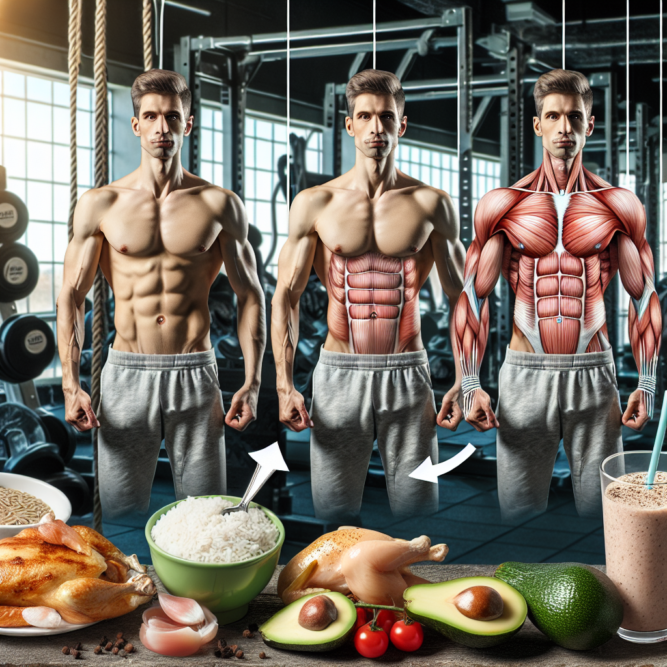
Building muscle as a skinny guy requires understanding one fundamental principle: you must eat more calories than your body burns while engaging in progressive strength training to force your muscles to adapt and grow. For years, many people struggle with weight gain despite spending hours in the gym and consuming protein shakes, not realizing that nutrition forms the foundation of any successful muscle-building program. The key to transforming from a skinny frame to a muscular physique lies in calculating your total daily energy expenditure, then systematically eating above that threshold while maintaining consistent resistance training.
Your body burns a significant number of calories just existing, with individual requirements varying based on age, height, current weight, and daily activity levels. To determine how many additional calories you need for growth, calculate how much weight you want to gain per week—typically 0.25 to 0.5 percent of your body weight—then multiply that by 3,500 to find your daily calorie surplus. For someone weighing 150 pounds, this translates to consuming an extra 200 to 400 calories daily. After two to three weeks of eating at this surplus, assess your progress and adjust accordingly. If you’re not gaining weight, the straightforward answer is that you’re not eating enough.
Protein should form the cornerstone of your bulking diet, with a target of 0.8 to 1 gram per pound of body weight daily, or roughly 1.6 to 2.2 grams per kilogram. Protein rebuilds muscle tissue after your workouts break it down, making it essential for growth. Excellent protein sources include meat, poultry, eggs, fish, dairy products, legumes, and plant-based alternatives for those following vegetarian or vegan diets. A single serving of protein approximately the size of your palm provides roughly 25 to 30 grams, helping you track intake throughout the day.
Carbohydrates deserve equal priority in your nutrition strategy, as they fuel your muscles and prevent your body from breaking down muscle tissue for energy. Complex carbohydrate sources like rice, oats, quinoa, sweet potatoes, and whole grain pasta should comprise significant portions of each meal. These foods fill your muscle’s glycogen stores, which are primarily derived from carbohydrate consumption, providing the energy necessary for intense strength training sessions. A single serving of starchy carbohydrates equals roughly one cupped hand of uncooked portions or two hands forming a cup of cooked food.
Dietary fats complete the macronutrient picture, providing calorie-dense nutrition that prevents you from feeling overly full while meeting your caloric goals. Healthy fats from sources like avocados, nuts, olive oil, and nut butters are particularly valuable for those struggling to consume enough calories. A serving of fat roughly matches your thumb’s size, with foods like almonds containing 162 calories per serving and olive oil providing 119 calories per tablespoon. Don’t neglect vegetables either—aim for a serving roughly the size of your fist with each meal to maintain fiber intake and support digestive health as you increase overall food consumption.
If consuming solid food feels overwhelming, liquid calories offer an effective solution through protein shakes and smoothies. A simple shake combining oats, frozen berries, spinach, and whey protein powder can easily deliver 800+ calories and 70 grams of protein, all without excessive fullness. Adding whole milk instead of water or incorporating a shot of olive oil boosts calories further without significantly increasing satiety.
When it comes to supplementation, most products on the market offer minimal benefit for muscle growth. However, two supplements merit consideration for those serious about bulking. Protein powder provides a convenient method to increase daily protein and calorie intake without relying solely on whole food sources. Creatine supplementation helps muscles retain water, enhances power output during workouts, and supports muscle growth through increased IGF-1 hormone levels.
Strength training forms the second pillar of muscle growth, with progressive overload serving as the critical driver of adaptation. Progressive overload means consistently increasing the challenge your muscles face, whether through heavier weights, additional sets and reps, or modified exercise variations. Focus on compound movements including squats, deadlifts, bench presses, overhead presses, rows, pull-ups, and dips, as these exercises recruit multiple muscle groups and allow for significant strength progression.
Volume—the total number of sets and reps per muscle group weekly—plays a crucial role in muscle growth. Most people benefit from 10 to 20 working sets per muscle group each week, with research indicating that higher volume produces greater muscle gains than lower volume training. While reputation ranges from 5 to 30 reps all stimulate similar muscle growth when taken close to failure, most people thrive using 6 to 15 repetitions per set.
Intensity requires bringing sets within 1 to 3 repetitions of failure, meaning you select a weight allowing completion of the prescribed reps with only 1 to 3 additional reps possible with proper form. Tempo matters as well, with a recommended approach of two to four seconds lowering the weight, a brief pause at the bottom position, then athletically moving the weight back to the starting position. Training each major muscle group at least twice weekly using full-body workouts, upper and lower body splits, or push-pull-legs programming all work effectively.
Recovery completes the muscle-building triforce alongside nutrition and training. Your body actually builds muscle during rest periods, not during the workout itself, making sleep and recovery days essential. Aim for seven to nine hours of quality sleep nightly, and avoid training the same muscle groups on consecutive days, allowing roughly 48 hours between sessions targeting identical muscles. While some light activity like walking on rest days is acceptable, serious cardiovascular work substantially hinders bulking progress by increasing calorie burn and training your body for efficiency rather than size.
For those starting from a “skinny fat” position with slim limbs but excess midsection fat, eating at a slight caloric deficit while strength training with adequate protein intake allows simultaneous muscle building and fat loss. Once reaching approximately 15 percent body fat for men, transitioning to a caloric surplus accelerates muscle growth further.
The path from skinny to muscular requires patience and consistency. Most people can expect to gain roughly one to two pounds of muscle monthly under optimal conditions. Success depends not on having the perfect workout program but rather on selecting any reasonable program, maintaining consistent effort, eating adequate calories and protein, and allowing proper recovery. These fundamental principles form the foundation for effective muscle growth regardless of training methodology or supplement choices.



Leave a Reply