



How to Improve Fitness for Skinny Individuals
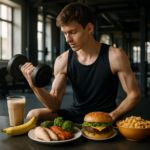
Gaining muscle as a skinny guy requires a fundamental shift in approach, particularly regarding nutrition and caloric intake. For many individuals struggling to build muscle, the primary obstacle is not inadequate training but rather insufficient food consumption. The most critical factor in bulking up is eating enough calories to support muscle growth, a principle that often gets overlooked in favor of complicated workout strategies. Without proper nutrition, even the most intense strength training routine will yield minimal results, making dietary discipline the foundation of any successful muscle-building journey.
Understanding your total daily energy expenditure is the starting point for effective bulking. This calculation determines how many calories your body burns throughout the day while at rest and during activity. Once you establish this baseline, adding 200 to 400 additional calories daily can facilitate gradual weight gain of approximately 0.25 to 0.5 percent of body weight per week. This conservative approach to caloric surplus prevents excessive fat accumulation while maximizing lean muscle development. Many people underestimate their actual caloric intake, believing they eat more than they actually do, making calorie tracking valuable for the first few weeks to establish accurate eating patterns and avoid months of wasted effort.
Protein serves as the cornerstone of muscle-building nutrition, as it provides the amino acids necessary for muscle repair and growth after training. The recommended protein intake ranges from 0.8 to 1 gram per pound of body weight daily for individuals engaged in strength training. For those relying on plant-based protein sources, slightly higher intake of approximately 1.0 gram per pound is advisable due to less complete amino acid profiles compared to animal products. Protein-rich foods include chicken, fish, eggs, beef, dairy products, legumes, and beans. When combined with proper strength training, adequate protein consumption directly supports muscle protein synthesis and prevents the breakdown of existing muscle tissue for energy.
Carbohydrates play an equally important role by replenishing muscle glycogen stores and providing energy for intense workouts. Whole grains, rice, potatoes, oats, sweet potatoes, quinoa, and legumes represent excellent carbohydrate sources for bulking. These foods fuel muscle performance during resistance training while preventing the body from catabolizing muscle tissue for energy. Including vegetables with each meal supplies essential fiber and micronutrients that support overall health during periods of increased food consumption. Fat also contributes significantly to caloric intake and hormonal function, with healthy options including nuts, avocados, olive oil, and fatty fish. Saturated fats from sources like whole milk and butter can be included in moderation, comprising approximately 10 to 20 percent of total fat intake.
Progressive overload forms the mechanical foundation of muscle growth through strength training. This principle involves consistently increasing the weight lifted, number of sets, or repetitions performed to continually challenge muscles beyond their current capacity. Every time you lift slightly heavier weight or perform additional repetitions, your muscles adapt by becoming stronger and larger. Training volume of 10 to 20 working sets per muscle group weekly has demonstrated effectiveness for muscle hypertrophy in research studies. Rep ranges between 6 and 15 per set prove most practical for most individuals, though recent research suggests that any rep range from 5 to 30 repetitions can stimulate equivalent muscle growth when sets approach muscular failure.
Workout intensity and tempo significantly influence muscle development outcomes. Working sets should bring you within one to three repetitions of absolute failure, meaning you could theoretically complete only one to three more repetitions before form breakdown. Controlling the lowering phase of each repetition for two to four seconds while maintaining tension in the target muscle proves more effective than rapid, uncontrolled movements. Training each major muscle group at least twice weekly supports muscle growth more effectively than less frequent sessions, making full-body workouts performed two to four times weekly or upper-lower splits viable approaches for beginners. Major compound movements including squats, deadlifts, bench presses, and pull-ups should receive primary attention, as these exercises recruit multiple muscle groups and allow for progressive weight increases.
Sleep and recovery demand equal priority alongside nutrition and training for muscle development. Muscles build and rebuild primarily during rest periods, with approximately 48 hours typically required for adequate muscle recovery between intense training sessions targeting identical muscle groups. Longer sleep duration supports muscle growth more effectively than restricted sleep, particularly after challenging strength training sessions. Excessive long-distance cardio can interfere with bulking goals by increasing overall caloric demands while training the body for efficiency rather than size. Shorter-duration cardio or interval training allows individuals to maintain cardiovascular health without significantly compromising muscle-building progress.
Supplements play a minor role compared to fundamental nutrition and training practices. Protein powder offers convenience for reaching daily protein targets and can be mixed with oats, milk, and other calorie-dense ingredients to create convenient high-calorie shakes. Creatine supplementation supports muscle hydration, energy availability during training, and muscle growth markers, making it one of the few supplements with substantial research support. Most other supplements provide minimal benefit compared to consistent adherence to proper nutrition and training.
Common concerns often hinder bulking progress unnecessarily. Fears about becoming excessively bulky prove largely unfounded for individuals genetically predisposed to difficulty gaining weight. Gaining 30 or more pounds would be necessary before most people appear notably muscular, making this an achievable yet challenging goal rather than an imminent risk. Vegetarian and vegan individuals can successfully bulk up by consuming sufficient calories and protein from plant-based sources, though higher total protein quantities may optimize results. Meal timing proves less important than total daily caloric and protein intake, allowing flexibility in eating schedules and patterns. Balancing muscle gain with fat loss simultaneously requires disciplined nutrition combined with strength training and adequate protein intake, though this approach is less efficient than prioritizing one goal at a time.
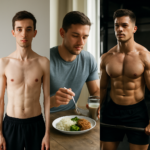
Successfully bulking up as a skinny individual ultimately requires unwavering commitment to three fundamental pillars: consuming adequate calories from nutritious whole foods, progressively challenging muscles through resistance training, and prioritizing sleep and recovery. Progress develops gradually through consistent effort rather than dramatic rapid changes. By maintaining this disciplined approach for months, even naturally lean individuals can achieve substantial muscle gains and meaningful physical transformation.



Leave a Reply