



What to Do if You Are Underweight
Building muscle as a naturally skinny person requires understanding that the process differs fundamentally from what many believe. The most critical factor in bulking up quickly is not spending endless hours in the gym, but rather consuming enough calories to support muscle growth. Many people who struggle to gain weight underestimate how much food they actually need to eat, making this the primary reason for failed bulking attempts.
Your body burns a significant number of calories simply existing, ranging from 2,000 to 4,000 daily depending on your age, height, current weight, and activity level. To gain weight, you must eat more calories than your body burns. This forms the foundation of any successful muscle-building program. Calculating your total daily energy expenditure provides a baseline for determining how much additional food you need. A practical approach involves adding approximately 200 to 400 extra calories daily, which should result in gaining 0.25 to 0.5 percent of your body weight each week. Tracking calories for several days gives you a realistic snapshot of current eating patterns before making adjustments.
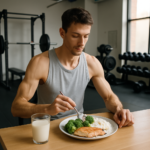
Protein plays a crucial role in muscle recovery and growth. Athletes aiming to build muscle should consume approximately 0.8 to 1 gram of protein per pound of body weight daily. For those relying on plant-based sources, slightly higher intake around 1.0 gram per pound compensates for incomplete amino acid profiles. Quality protein sources include poultry, beef, fish, eggs, dairy products, legumes, and nuts. A single four-ounce serving of chicken provides roughly 30 grams of protein, while the same portion of salmon offers about 23 grams, making it easy to reach daily targets through whole foods and supplementation when needed.
Carbohydrates deserve equal attention during a bulking phase because they fuel workouts and replenish muscle glycogen stores. This prevention of protein breakdown for energy becomes especially important when trying to build muscle tissue. Excellent carbohydrate sources include rice, oats, quinoa, sweet potatoes, whole grain pasta, and legumes. A practical serving size equals one cupped hand of uncooked carbs or two hands forming a cup when cooked. Similarly, healthy fats support bodily functions and provide concentrated calories, making them invaluable for those struggling to eat enough. Incorporating avocados, nuts, olive oil, and nut butters adds calories without excessive volume, helping overcome the fullness barrier many skinny guys face.
Vegetables and fruits complete the nutritional picture by providing fiber, micronutrients, and satiety without excessive calories. A serving equals approximately one fist-sized portion, and varieties like broccoli, spinach, carrots, and Brussels sprouts should accompany most meals. Beyond whole foods, protein powder and creatine supplementation can facilitate meeting daily targets. Protein powder offers a convenient way to consume extra calories and protein through smoothies, while creatine helps muscles retain water and increases power output during training sessions.
Strength training forms the second pillar of effective muscle building. Progressive overload—consistently challenging muscles with increasing weight or resistance—drives adaptation and growth. Rather than performing countless exercises, focusing on compound movements like squats, deadlifts, bench presses, and rows generates the most significant stimulus for muscle development. Aim for ten to twenty working sets per muscle group weekly, distributed across multiple sessions. A rep range of six to fifteen repetitions works well for most individuals, with sets performed close to muscular failure. Maintaining controlled tempo matters significantly, with two to four seconds for the lowering phase and explosive movement upward maximizing time under tension.
Training frequency should involve hitting each major muscle group at least twice weekly, whether through full-body workouts, upper and lower body splits, or push and pull routines. Most beginners benefit from full-body programs performed two to four times weekly, which provide sufficient stimulus with manageable time investment. Progressive overload can occur through adding weight, increasing repetitions, adding sets, or reducing rest periods. Even bodyweight exercises prove effective when progressively made more difficult through variations like decline push-ups or pistol squats, though most beginners progress faster with barbells and dumbbells.
Recovery cannot be overlooked as the third essential component. Muscles rebuild and adapt during rest periods, not during training itself. Muscles typically require forty-eight hours to recover from strength training, making consecutive sessions for identical muscle groups inadvisable. Sleep becomes increasingly important during bulking phases, as your body requires additional rest to support muscle growth alongside heavy training. Excessive long-distance cardio works against bulking goals by burning additional calories needed for growth and training the body for endurance rather than size. Limiting steady-state cardio while incorporating short sprints or interval training preserves caloric surplus needed for weight gain.
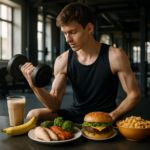
Liquid calories offer a practical solution for those struggling with food volume. A homemade shake combining oats, berries, spinach, protein powder, and milk can provide 800 calories in a single serving without inducing excessive fullness. Highly palatable foods containing carbohydrates and fats encourage continued eating, proving beneficial during bulking when calorie consumption matters more than food choices. The strategy involves gradually increasing portion sizes over weeks and even eating when not particularly hungry, allowing your body to adapt to higher food intake.
For naturally skinny individuals achieving a lean appearance before bulking, the preferable approach involves gaining muscle while maintaining a slight caloric deficit and prioritizing strength training. This allows simultaneous fat loss and muscle building, reaching fifteen percent body fat or lower before increasing calories for more aggressive bulking. Once a reasonable body composition is achieved, increasing calorie intake facilitates faster muscle accumulation.
Understanding realistic timeframes prevents discouragement. Natural muscle gain typically ranges from 0.5 to 2 pounds monthly depending on training experience and consistency. Rapid transformations occurring over weeks often include water retention and glycogen storage alongside actual muscle tissue. Sustainable long-term progress comes from consistent effort with moderate caloric surplus rather than extreme approaches.
The process fundamentally boils down to three simple principles: eating enough calories with adequate protein, progressively challenging muscles through resistance training, and prioritizing sufficient sleep and recovery. Success requires picking a practical plan, tracking results, and maintaining consistency over months, not weeks.



Leave a Reply