



7 Days Diet Plan for Women to Gain Weight
Bulking up as a naturally skinny guy is less about magic genetics and more about finally doing the big three things right: eating enough, lifting properly, and recovering well. Many lean men spend years in the gym without gaining real size because they focus on workouts and supplements while ignoring the simple fact that muscle growth depends on a sustained calorie surplus and progressive strength training. When those pieces are in place, even “hardgainers” can add serious muscle and transform a skinny frame into a stronger, more muscular body.
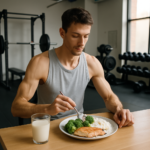
The first pillar of any successful bulking plan is nutrition. Muscle is built in the kitchen as much as in the gym, and if the scale is not moving up over time, it almost always means daily calorie intake is too low. Every body burns a different number of calories based on age, height, weight, activity level, and even how much you fidget. That’s why calculating total daily energy expenditure and then deliberately eating above that number is crucial for skinny guys trying to bulk up. A realistic target is to gain about 0.25–0.5% of body weight per week, which usually means adding a few hundred extra calories per day and then tracking progress for two to three weeks before adjusting.
Protein intake sits at the top of the priority list for building muscle. It provides the raw material your body needs to repair and rebuild muscle tissue after hard training. A simple rule that works well for most people is to eat around 0.8–1 gram of protein per pound of body weight each day, leaning toward the higher end if most protein comes from plant sources. That can come from meat, poultry, fish, eggs, dairy, legumes, and high-quality protein powders. Structuring meals so that each one includes a palm-sized portion of protein makes it easier to consistently hit daily muscle-building targets without overthinking.
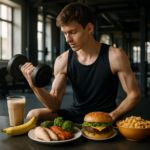
Once protein is covered, carbohydrates and fats provide the extra energy needed to actually bulk up. Carbs like rice, oats, potatoes, lentils, pasta, and bread help refill muscle glycogen, which powers strength training and prevents the body from breaking down muscle for fuel. Fats from foods such as avocado, nuts, seeds, olive oil, and full-fat dairy are very calorie dense, making them especially useful for naturally skinny people who struggle to eat enough. A thumb-sized portion of fats added to each meal can quietly add hundreds of calories without making meals feel overwhelming. Vegetables and fruits round out the diet by providing fiber, vitamins, and minerals that keep digestion, hormones, and general health on track while food intake climbs.
Hitting those calorie and protein goals can be surprisingly hard for someone with a small appetite or fast metabolism, which is why liquid calories are so effective for bulking up. Blending protein powder with oats, fruit, nut butter, and milk or water creates quick, easy-to-drink shakes that pack a lot of calories without being too filling. In this context, supplements are simply tools, not shortcuts. Most products marketed to skinny guys are unnecessary, but two have solid support: protein powder for convenient extra protein and calories, and creatine for better strength, performance, and muscle fullness. Creatine helps muscles store more energy and water, which can directly support heavier lifting and modest weight gain over time.
Even the best nutrition plan will not build much muscle without progressive strength training. Muscle grows as an adaptation to stress, so the goal of a bulking workout is to gradually challenge the body with heavier loads, more reps, or more total sets over time. This principle, called progressive overload, is the foundation of effective bulking workouts. Big, compound movements that use multiple joints and large muscle groups—such as squats, deadlifts, bench presses, rows, overhead presses, pull-ups, and dips—deliver the most growth for the time invested. They allow heavier weights, recruit more muscle fibers, and stimulate more overall strength and size than isolation work alone.
For most skinny guys, training each major muscle group at least twice per week is a practical way to build volume and frequency without living in the gym. That might mean three full-body strength workouts each week, focusing on a handful of big lifts done for 2–3 challenging sets of 6–15 reps. The exact rep range is less important than the effort; sets should end just one to three reps shy of failure using a weight that demands focus and good form. Slowing down the lowering phase of each lift, pausing briefly at the bottom, and then driving the weight back up with control can increase tension on the muscles and support better growth while reducing the risk of injury.
Bodyweight training can also be a powerful way to bulk up, especially when access to a gym is limited. Exercises like push-ups, inverted rows, dips, pull-ups, lunges, and single-leg squats can all build size and strength when done close to failure and progressed over time. As these movements become too easy, they can be made harder by changing leverage, elevating the feet, adding pauses, or eventually adding external weight. The same rule applies: if muscles are pushed close to their limits in a safe, controlled way and calories are high enough, muscle growth will follow.
A common question among skinny guys with a small belly but thin arms and legs—often called “skinny fat”—is whether to bulk or cut first. One practical approach is to prioritize strength training while eating at a slight calorie deficit and making protein intake a non-negotiable. This can reduce body fat while still building or at least preserving muscle. Once body fat is at a more comfortable level, calories can be increased to move into a more traditional bulking phase. The trade-off is that trying to build muscle and lose fat at the same time can slow both goals, but it often feels more sustainable and avoids drastic swings in body size.
Recovery is the final, often ignored, part of successful bulking. Muscles do not grow while lifting; they grow between sessions, provided food and rest are adequate. Most people benefit from giving each muscle group around 48 hours before training it hard again, which fits naturally with a three-day full-body routine. Sleep is especially critical during a bulk because it supports hormone balance, muscle repair, and appetite regulation. Many people notice they need more sleep when they start lifting heavy and eating to gain mass, and making room for longer, higher-quality nights of rest can dramatically improve progress.
Cardio also plays a role. While some low-intensity activity like walking or short bike rides can support health and recovery, long-distance running or intense endurance work makes it harder to eat enough and sends the body mixed signals about what to adapt to. For a skinny guy trying to bulk up fast, it usually makes sense to limit long cardio sessions, swapping them for brief interval work or simply more steps, then reintroducing serious endurance training after hitting muscle and weight goals.
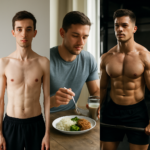
Patience and consistency matter more than perfection. Building noticeable muscle from a skinny starting point takes months and often years of steadily hitting calorie goals, showing up for workouts, and prioritizing sleep. Tracking body weight, strength numbers, and even progress photos over time makes it easier to see trends and know when to adjust by adding more calories, changing exercises, or increasing training volume. With a clear focus on eating enough, following a simple but challenging strength routine, and allowing time for recovery, even lifelong “hardgainers” can bulk up, add size to a skinny frame, and build the strong, muscular body they thought was out of reach.



Leave a Reply