


How to Gain Weight: 10 Tips to Gain Weight Safely
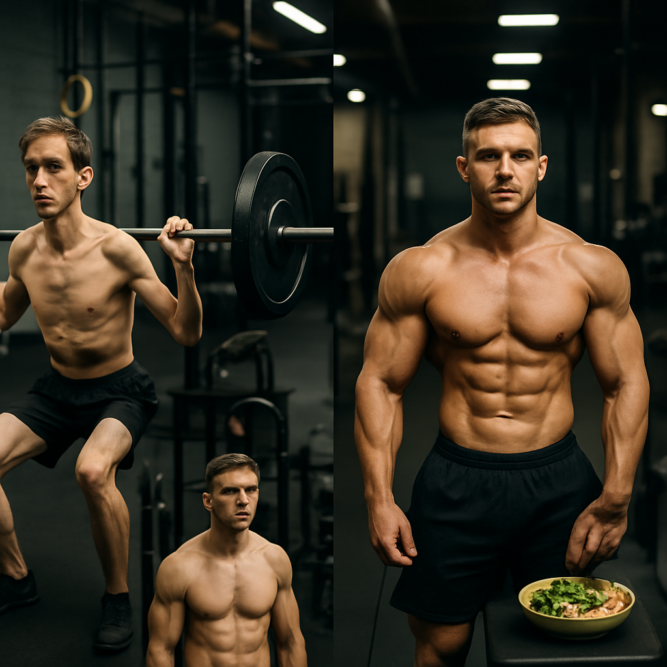
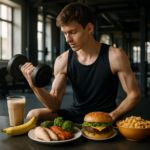
Bulking up as a naturally skinny guy is less about finding a magic workout and far more about consistently eating enough food, lifting progressively heavier weights, and giving the body time to recover. Many “hardgainers” spend years in the gym without seeing meaningful muscle gain because they underestimate how many calories they need and overcomplicate their training. The core idea is simple: to bulk up fast and build muscle like a skinny guy’s version of the Hulk, you must deliberately eat in a calorie surplus, emphasize protein, follow a structured strength training program, and prioritize sleep and rest.
For naturally lean people, genetics make gaining weight more challenging, but not impossible. The common story is training hard for years, reading fitness magazines, and chugging protein shakes, yet only adding a few pounds of muscle. The missing piece is usually nutrition. The body burns a large number of calories daily just to function, and when you add activity and cardio, the total energy expenditure climbs even higher. If total intake never exceeds that number, the body simply doesn’t have enough extra energy to devote to building new muscle tissue. The fundamental rule for the skinny guy’s bulk is straightforward: if the scale and progress photos are not moving over weeks, daily calorie intake is still too low.
A practical starting point is to estimate total daily energy expenditure (TDEE) using age, sex, height, weight, and activity level, then deliberately eat more than that number. A sensible goal is to gain about 0.25–0.5% of bodyweight per week, which might translate to roughly 0.3–0.75 pounds per week for someone who weighs 150 pounds. Since one pound of bodyweight corresponds to about 3,500 calories, this means consistently adding perhaps 200–400 extra calories per day above maintenance and tracking progress for a few weeks. If weight, measurements, or photos show no change after 2–3 weeks, increasing daily intake by another 250 calories is a logical adjustment. This gradual approach keeps fat gain under control while allowing muscle to accumulate steadily.
Protein intake is a cornerstone of any bulking plan, especially for skinny guys aiming to build muscle quickly. Muscles are broken down during strength training and require enough amino acids to repair and grow stronger. A solid guideline is about 0.8–1 gram of protein per pound of bodyweight per day for most people who are training and trying to build muscle. Those following vegan or strictly plant-based diets may benefit from leaning toward the higher end because some plant proteins have less complete amino acid profiles. In practice, this means consistently eating protein-rich foods such as chicken, eggs, dairy, fish, beef, legumes, and high-protein snacks or shakes. Portion awareness helps: roughly a palm-sized serving of meat or fish generally provides around 20–30 grams of protein, and a well-designed protein shake can contribute a substantial amount conveniently.
Once protein needs are met, remaining calories should come from carbohydrates and fats. Carbs replenish muscle glycogen, support performance, and help prevent the body from breaking down muscle protein for energy. Staple carb sources include rice, oats, potatoes, sweet potatoes, whole-grain pasta, bread, and legumes. Using simple visual cues such as a cupped hand or two hands together as approximate serving sizes makes it easier to eat enough without obsessing. Healthy fats are equally useful for bulking because they are calorie-dense and help raise total intake without drastically increasing food volume. Foods like avocado, nuts, nut butters, olive oil, and full-fat dairy can add hundreds of calories with small portions. Moderation with saturated fats is wise, but including some whole milk, fatty cuts of meat, butter, or coconut oil is perfectly compatible with an effective skinny guy bulk when overall diet quality is good.
Vegetables and fruit still matter when bulking up fast. Increasing calories and protein without fiber and micronutrients can create digestive issues and sluggishness. Including at least a fist-sized portion of vegetables with most meals supports digestion, helps manage hunger, and supplies vitamins and minerals that improve overall health and recovery. Broccoli, leafy greens, carrots, squash, and similar choices fit easily alongside larger portions of carbs and proteins. The goal is not to crowd out calorie-dense foods with massive salad bowls but to balance muscle-building nutrition with basic health needs.
For skinny guys who struggle to physically eat enough solid food, liquid calories are an effective bulking strategy. Smoothies and shakes can pack substantial calories, protein, carbs, and fats into a drink that is easier to consume than another large meal. A high-calorie shake might include protein powder, oats, spinach, frozen berries, and milk or a milk alternative, with optional additions like nut butter or a splash of olive oil for extra fats. Supplements can support this process but do not replace solid nutrition. Protein powder is a convenient way to hit daily protein targets, and creatine is a well-researched supplement that can increase strength, muscle fullness, and training performance. Beyond these, most flashy muscle-building supplements add little value compared to simply eating more real food consistently.
Training strategy is the other pillar of bulking up quickly. Muscle grows in response to progressive overload, which means systematically increasing the challenge placed on the muscles over time. For most skinny guys, this involves following a structured strength training program built around big compound lifts like squats, deadlifts, bench press, overhead press, rows, dips, and pull-ups. These movements work multiple muscle groups at once and allow heavier loads, which drive strength and size gains efficiently. A simple three-day-per-week program might rotate squats and presses on one day, deadlifts and rows on another, and variations like front squats, dips, and curls on a third. Each exercise is performed for a moderate rep range, such as 6–15 reps, using 2–3 challenging sets where only one to three more good reps would be possible.
Volume and intensity matter, but they do not need to be complicated. Aiming for roughly 10–20 working sets per muscle group per week and taking sets close to failure is sufficient for most beginners and intermediate lifters. Controlled tempo during lifts, especially when lowering the weight for 2–4 seconds, increases time under tension and reduces injury risk. The best workout program for a skinny guy is the one that he can execute consistently while getting stronger. It is less important whether a plan is full-body, upper/lower, or push/pull/lower than whether weights or exercise difficulty are increasing over time while nutrition, sleep, and recovery support that growth.
Bodyweight training can also help skinny guys bulk up, provided the movements are challenging enough. Pull-ups, dips, push-ups, lunges, and advanced variations like decline push-ups or pistol squats can stimulate muscle growth effectively when performed near failure. Progression is key: if standard push-ups become easy, elevating the feet or slowing the tempo adds difficulty. Similarly, adding weight to pull-ups or experimenting with different grips keeps the challenge high. However, for many true beginners or very lean individuals, weights in a gym environment make it easier to quantify progress and add small increments over time, which is why free weights are often recommended as the primary tool for a skinny guy bulk.
Recovery completes the muscle-building triforce of training, nutrition, and rest. Muscles repair and grow between workouts, not during them, so training the same muscle group heavily every day can stall progress or increase injury risk. For most people, allowing about 48 hours before heavily targeting the same muscle group again is a practical guideline. Light activity, mobility work, or walking on off days can support recovery without interfering with growth. Excessive long-distance cardio, like daily long runs or intense cycling sessions, can make it much harder to maintain a caloric surplus and encourage the body to adapt for endurance instead of size. Low-intensity cardio, such as walking or short bike rides, is fine for heart health, but those who want to bulk up fast may benefit from temporarily reducing high-mileage endurance training.
Sleep is often overlooked but plays a major role in bulking up. Deep, consistent sleep supports hormone balance, recovery, and performance. Heavy lifting sessions, particularly involving big compound movements like deadlifts, tax the nervous system and muscles, which can increase sleep needs. Cutting back on late-night screen time, building a consistent bedtime routine, and aiming for more sleep is a practical way to enhance muscle growth without changing anything in the gym. For naturally skinny guys, every advantage matters, and sleep is one of the cheapest and most powerful tools available.
Finally, skinny-fat individuals—those with thin limbs but a noticeable belly—can still apply these bulking principles with slight adjustments. Many benefit from first focusing on heavy strength training while maintaining a slight calorie deficit and high protein intake to build muscle and reduce fat simultaneously. As body fat moves toward a comfortable level, overall calories can be gradually increased to aim for pure muscle gain. The tradeoff is that doing both goals at once is slower than focusing exclusively on bulking or cutting, but the result is often more confidence and better body composition throughout the process. In all cases, the path from “skinny guy” to muscular, confident physique relies on the same fundamentals: eat more than maintenance with plenty of protein and quality carbs and fats, follow progressive strength training, recover well, and adjust intake based on real-world progress rather than guesswork.



Leave a Reply