


How to Gain Weight Safely: A Comprehensive Guide
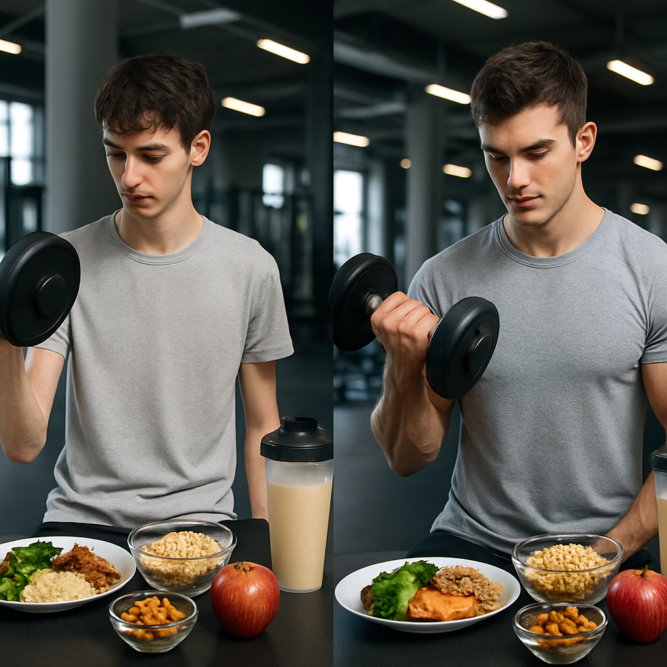
Bulking up as a naturally skinny guy can feel impossible, but the process is straightforward once the right habits are in place. The core idea is that building muscle depends on three pillars: eating enough calories and protein, following a structured strength training plan focused on progressive overload, and allowing adequate recovery through rest and sleep. When all three are aligned, even people with fast metabolisms and “hardgainer” genetics can go from skinny to muscular in a matter of months, without needing extreme tactics or complicated programs.
Nutrition is the foundation of bulking up fast. Many skinny guys already train hard but fail to gain weight simply because they do not eat enough calories to support muscle growth. The body burns a significant amount of energy just existing, and when regular workouts and any cardio are added, total daily energy expenditure can easily push beyond what most people intuitively consume. Using a TDEE calculator and tracking intake for a few days with a food app is often eye-opening, revealing that perceived “big eating” is far below what is needed for weight gain. Once maintenance calories are known, the goal for lean bulking is to add enough calories to gain roughly 0.25–0.5% of body weight per week, which for many people means an additional 200–400 calories per day and then adjusting based on progress.
Protein intake is the next crucial piece for muscle building. When trying to bulk up, aiming for about 0.8–1 gram of protein per pound of body weight per day helps maximize muscle protein synthesis and supports recovery. This can come from meat, poultry, fish, eggs, dairy, legumes, and plant-based protein sources. For those relying mostly on plant proteins, slightly higher intake closer to 1 gram per pound may be helpful because some sources have incomplete amino acid profiles. Understanding portion sizes makes planning easier: a palm-sized portion of chicken or steak typically contains around 25–30 grams of protein, and a quality protein shake can add a large amount quickly without much chewing or preparation.
Carbohydrates and fats round out the calorie needs for bulking. Carbs help refill muscle glycogen stores, which supports performance in the gym and reduces the likelihood of using muscle tissue as fuel. Staple carbohydrate sources like rice, oats, potatoes, sweet potatoes, whole grain bread, and pasta can be scaled up simply by increasing serving sizes. A cupped hand of dry rice or oats, or two cupped hands of cooked starch, is a simple visual guide. Healthy fats are calorie-dense and especially useful for skinny guys who feel full easily. Foods like avocado, nuts, nut butters, and olive oil pack many calories into small servings; a thumb-sized portion of fat can add over 100 calories. Adding an extra handful of nuts or a drizzle of olive oil to meals is an easy way to raise total intake without significantly increasing volume of food.
Eating for muscle gain also means including vegetables and fruits for fiber and micronutrients. When caloric intake goes up, digestion benefits from regular servings of high-fiber produce such as broccoli, spinach, kale, carrots, and other colorful vegetables. A fist-sized portion of vegetables at most meals helps keep digestion regular while supporting overall health. The bulk-up diet is not about junk food; it is a balanced plate of protein, carbohydrates, fats, and vegetables with enough total calories to drive weight gain.
Supplements are not magic, but a few can support a skinny guy’s bulking plan. Most products marketed for muscle gain are unnecessary, yet two tools stand out as genuinely useful. A simple protein powder makes it far easier to hit daily protein targets and can be blended into calorie-dense shakes that include oats, frozen fruit, and milk or plant milks. Creatine monohydrate is another well-researched supplement that increases muscle energy availability, helps muscles retain more water, and is associated with improved strength and muscle growth over time. Beyond these, consistent food intake matters far more than exotic powders. Liquid calories, such as smoothies, are particularly helpful for those who struggle to eat enough solid food; a single well-designed shake can add hundreds of calories and dozens of grams of protein without causing excessive fullness.
Strength training is the engine that turns extra calories into muscle. To bulk like the Hulk, the focus should be on getting stronger over time with compound movements rather than chasing soreness or complicated routines. Progressive overload is the key concept: muscles grow when they are asked to do slightly more work than before, whether through heavier weights, more repetitions, or additional sets. A practical approach is to train major muscle groups at least twice per week, using big lifts like squats, deadlifts, bench presses, overhead presses, rows, dips, push-ups, and pull-ups. Working mostly in the 6–15 repetition range for 2–3 challenging sets per exercise allows sufficient volume for hypertrophy while still emphasizing strength.
Programming does not have to be complex. A three-day-per-week full-body routine can be highly effective for skinny guys, with one day centered on squats and bench presses, another on deadlifts and rows, and a third on front squats, dips, and pull-ups. For each movement, choosing a weight that brings the set within one to three reps of failure ensures enough intensity to stimulate muscle growth. Muscles also respond to time under tension, so controlling the lowering phase of each lift for two to four seconds, pausing briefly at the bottom, and then lifting smoothly helps trigger hypertrophy while reducing injury risk. Whether the routine is barbell-based, dumbbell-based, or bodyweight-focused, the rule remains: consistently push closer to failure while maintaining good technique.
Bodyweight training can absolutely build size, provided it follows the same progressive overload principle. Gymnasts are prime examples of athletes who have built impressive muscle with mostly bodyweight movements. Exercises like push-ups, dips, pull-ups, chin-ups, inverted rows, lunges, and squats can all drive hypertrophy if they are made hard enough and done to high effort. As strength improves, variations must become more challenging: elevating the feet for push-ups, progressing to one-legged pistol squats, or adding weight to pull-ups keeps the muscles adapting. For skinny guys training at home with limited equipment, adjusting leverage or rep ranges and exploring harder variations can mimic the challenge of adding plates to a barbell.
Recovery is the often-overlooked third pillar of bulking up. Muscle is built between workouts, not during them. Most major muscle groups benefit from at least 48 hours of rest before heavy training again, which is why full-body or alternating-day splits work well. Off days can include light activity like walking, but frequent long-distance cardio makes bulking more difficult by burning many calories and encouraging the body to prioritize efficiency over muscle size. For someone whose goal is to go from skinny to muscular, it is wise to limit endurance training, replacing long runs with shorter intervals or simply higher daily step counts until the desired mass is achieved. Sleep is equally essential; heavy lifting and high-calorie eating place extra demands on the body, and seven to nine hours of quality sleep per night significantly improves recovery, hormone regulation, and overall progress.
Many skinny guys worry they will become “too bulky” if they follow a serious bulking plan, but in practice it takes years of consistent effort and plenty of weight gain to reach that point. For someone who has struggled to add any mass, getting genuinely bulky would be a welcome problem. If body fat creeps up more than desired, adjusting portions downward or trimming some extra calories from carbs and fats is usually enough to bring leanness back in line. Others face the “skinny fat” dilemma, with slighter limbs and a soft midsection. In such cases, a strategy of heavy strength training, a slight caloric deficit, and sufficient protein can recomposition the body, slowly building muscle while reducing fat until a leaner base is achieved, after which calories can be raised for more aggressive bulking.
Ultimately, bulking up fast as a skinny guy comes down to simple but demanding habits. Eat more calories than maintenance every day, with enough protein, carbs, and fats to support training and recovery. Follow a consistent strength training routine that emphasizes progressive overload through compound movements and challenging sets. Sleep more, limit excessive cardio, and give muscles time to rebuild between hard sessions. Track weight, photos, and workout numbers so that adjustments can be made when progress stalls. With patience and steady execution of these principles, even lifelong “skinny nerds” can add substantial muscle, fill out their frames, and build the strong, confident physique they thought was out of reach.



Leave a Reply