


Healthy Ways to Gain Weight Safely and Effectively
Gaining weight in a healthy and sustainable way is a challenge for many people, and understanding how to approach it can have a significant impact on your wellbeing. If you find yourself underweight, this might mean you’re not receiving enough essential vitamins and minerals, which can lead to problems such as weakened immunity or poor bone health. Before starting any weight gain journey, it’s important to check your status using the body mass index (BMI) calculator, which considers your height and weight to assess whether you are within a healthy range. If you’ve experienced sudden or unexplained weight loss, or are using food control to manage emotional stress, you should consider speaking to your doctor, as these can be signs of underlying health conditions.
Healthy weight gain focuses on adding calories gradually and choosing nutrient-dense foods that boost both energy and overall health. Rather than consuming large, high-calorie meals infrequently, aim to add 300 to 500 extra calories per day with smaller, frequent meals and healthy snacks in between. Spreading meals throughout the day makes eating more manageable and can stimulate appetite, especially for those who struggle to finish big portions at once.
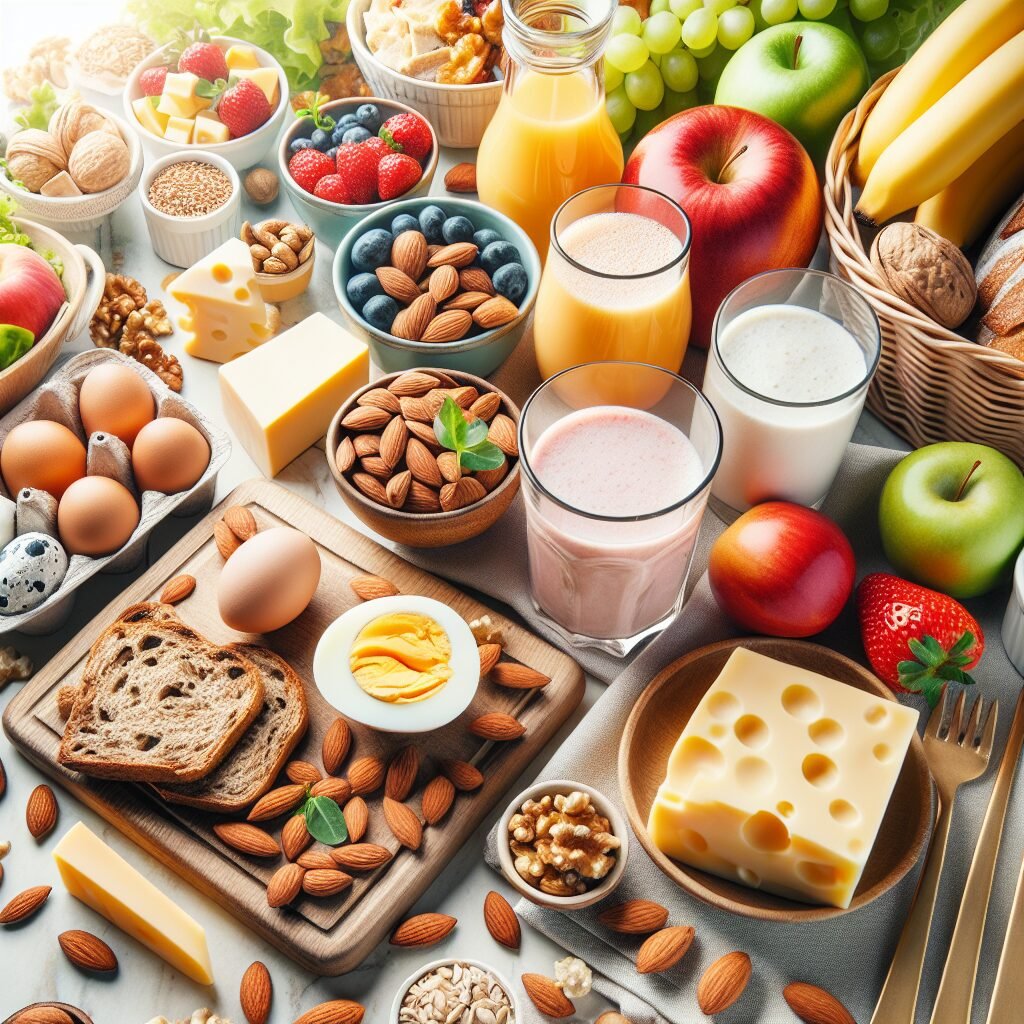
Incorporating extra calories doesn’t mean resorting to sugary drinks or processed junk foods like cake, sweets, and chocolate. While these foods are calorie-rich, they don’t provide the body with sustainable nutrition and can lead to further health complications. Instead, add healthy fats such as cheese, nuts, and seeds to your meals. Stir cheese into soups or sprinkle nuts and seeds onto porridge or salads. Similarly, for an added calorie boost, opt for high-calorie drinks like full-fat milkshakes or fortified plant-based alternatives between meals, rather than filling up on tea or water before a meal, which can leave you too full to eat enough food.
A balanced diet is at the heart of healthy weight gain. This includes fresh fruits and vegetables, starchy carbohydrates such as bread, potatoes, rice, and pasta, as well as dairy products or alternatives. Another crucial component is protein, which not only supports muscle development but also contributes to feeling satiated. Good sources of protein include beans, pulses, fish, eggs, and lean meats. Adding protein-rich foods to meals helps ensure the weight you gain is from healthy tissue, not just fat. For instance, you might add a serving of scrambled eggs made with full-fat milk and butter to toast, mix beans into salads or pastas, or have a serving of yogurt or rice pudding as an easy snack.
Muscle-building exercise is also important during weight gain. Strength training and yoga can boost appetite, improve physical strength, and help ensure that the weight you add comes from lean muscle rather than excess fat. These activities also support bone health and reduce the risk of injuries such as fractures, which are more common in people who are underweight.
Fortifying your diet with extra calories and protein is a practical way to make every bite count. Adding powdered milk to full-cream milk and then using this enriched milk in cereals, porridge, or hot drinks can increase your intake without requiring you to eat larger portions. You can also mix fortified milk into soups, mashed potatoes, and creamy dishes like pasta bakes or fish pies. If you prefer plant-based diets, choose soya milk fortified with soya powder as a substitute.
Snacking between meals is an effective strategy to increase your total calorie intake. Choose nourishing snacks such as cheese and biscuits, malt loaf with butter, scones, or handfuls of nuts. These snacks are calorie-dense and provide essential nutrients. It’s best to avoid snacks that are low in calories but high in sugar, such as plain biscuits, as they don’t contribute meaningfully to your goals. Instead, opt for snacks like yogurt, rice pudding, or filled omelettes made with extra cheese and oil. Adding puddings, cream, or condensed milk to desserts can further elevate the calorie content of your meal. If you’re limited for time or energy, convenient options like prepared meals from reputable suppliers or supermarkets (preferably not low-calorie versions) can help you keep up with your nutritional needs.
For those with a low appetite or who find the smell of cooked food unappealing, cold snacks may be easier to tolerate. Small changes, such as getting some fresh air before meals or enjoying food with company, can stimulate appetite and make meals more enjoyable. If you find large plates overwhelming, use a smaller plate and return for seconds if needed. Freezing extra portions allows you to have nutritious meals available without cooking every day, making it easier to stick to your weight gain plan.
Maintaining proper hydration is important, but drinking too much fluid before or during meals can fill your stomach and reduce your ability to eat enough food. Aim to drink fluids between meals, and choose nourishing beverages such as milky coffee or hot chocolate made with full-fat milk. Replacing your usual tea or coffee with such drinks can provide a calorie boost and add valuable nutrients. For those in need of additional support, nutritional supplements like shakes designed to increase energy and protein intake are available from pharmacies and may be prescribed by your GP if necessary.
Fat is a key energy source, but not all fats are created equal. Unsaturated fats found in oils like sunflower, rapeseed, and olive oil, as well as in nuts, seeds, and oily fish like salmon or mackerel, are a healthier choice and support heart health. Saturated fats, found in butter, pastries, and fatty cuts of meat, should be limited, as excessive intake can raise cholesterol and increase the risk of heart disease. Including appropriate types of fats in moderation can help you reach your calorie targets safely.
Vitamins and minerals are also essential during periods of increased eating, as they support immune function and bone health. A daily multivitamin and mineral supplement can help ensure you’re getting enough micronutrients, especially if your diet is limited or your appetite is low.
For those who struggle to prepare meals due to mobility issues, illness, or other limitations, services exist to deliver nutritious meals to your home. These options can make it easier to follow a healthy eating plan and avoid missing meals.
Children who need to gain weight benefit from similar principles: adding starchy carbohydrates, increasing calorie intake with healthy fats, providing high-calorie drinks between meals, and encouraging a positive attitude toward eating. It’s important not to rely on unhealthy food for weight gain. Instead, offer snacks such as yogurts or breadsticks and introduce new foods gradually, making mealtimes inviting rather than stressful. Physical activity should not be discouraged, as it supports muscle and bone development in growing bodies. Vitamin supplementation may be advised for young children to meet their needs as they grow.
At every stage, healthy weight management ties directly to better overall health and wellbeing. Whether you’re looking to gain a few pounds or need to recover after illness, the key is gradual, sustainable changes that prioritize nutrition and build muscle. By opting for nourishing snacks and drinks, fortifying meals, enjoying regular exercise, and maintaining awareness about the types of fats you consume, you can achieve your goals while supporting your body’s long-term health. Regularly tracking your progress by weighing yourself weekly can be encouraging and help you adjust your approach as needed. If after several weeks you have not noticed improvement, seeking advice from a medical professional or registered dietitian is recommended.
Ultimately, approaching weight gain with healthy habits and thoughtful choices helps you improve your energy levels, maintain strong bones and muscles, and reduce risks associated with being underweight. With consistent effort and mindful eating, reaching and sustaining a healthy weight is achievable, setting the foundation for improved health and resilience.







Leave a Reply