


What to Do if You Are Underweight
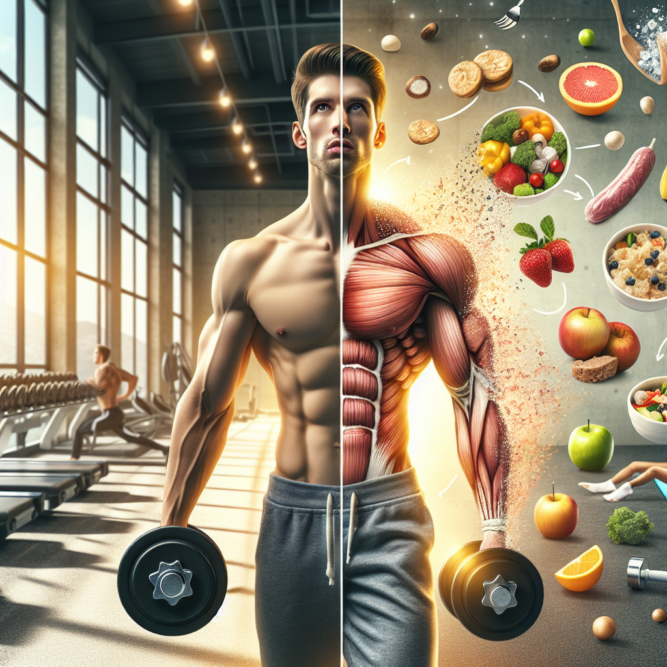
Building muscle as a skinny guy might seem like an insurmountable challenge, but the truth is that anyone can pack on muscle with the right approach, regardless of genetics. The journey from being a scrawny teenager to a stronger, more confident adult doesn’t require expensive supplements or fancy equipment—it requires understanding three fundamental principles: eating enough food, engaging in progressive strength training, and prioritizing recovery. Many people who struggle with weight gain often discover they’ve been making the same critical mistake for years: they simply aren’t eating enough calories to support muscle growth.
The most important factor in bulking up is nutrition, which often surprises beginners who expect training alone to deliver results. Your muscles aren’t built in the gym; they’re built in the kitchen. It’s entirely possible to work out twice weekly for thirty minutes while eating sufficient calories and see better results than someone training six days a week without adequate nutrition. To determine how many calories your body needs, calculate your total daily energy expenditure based on your age, weight, height, and activity level. Most people require between two thousand and four thousand calories daily to function, and building muscle requires eating even more than that.
The strategy for gaining weight involves calculating your baseline calorie needs and then adding additional calories to promote gradual weight gain. Aiming to gain between 0.25 and 0.5 percent of your body weight weekly is realistic and sustainable. For someone weighing 150 pounds, this translates to gaining roughly three-quarters of a pound per week, which requires an additional 200 to 400 calories daily beyond your maintenance level. After two to three weeks of eating at this increased level, track your progress through photos and weight measurements to assess whether you need further adjustments. If you’re not gaining weight, increase your calorie intake by an additional 250 calories daily and reassess.
Protein serves as the foundation of your bulking diet, as it rebuilds muscle tissue damaged during workouts. Aim for approximately 0.8 to 1 gram of protein per pound of body weight daily, sourced from meat, fish, eggs, dairy, legumes, or plant-based alternatives. Carbohydrates provide the energy your muscles need during training and prevent muscle breakdown by maintaining glycogen stores. Include rice, oats, sweet potatoes, whole grain bread, and pasta as reliable carbohydrate sources. Healthy fats support hormonal function and provide calorie-dense fuel; incorporate avocados, nuts, olive oil, and nut butters throughout your day. Don’t overlook vegetables and fruits, which supply essential fiber and micronutrients that support overall health and digestion when consuming large quantities of food.
If you struggle to eat enough solid food, liquid calories become your ally. Protein shakes mixed with oats, berries, spinach, and milk can deliver eight hundred calories and substantial protein without feeling overly filling. This approach allows you to reach your calorie targets without experiencing constant fullness. Consider adding whole milk or coconut milk instead of water, or incorporate a shot of olive oil for additional calories and fats. Highly palatable foods containing moderate amounts of fat and carbohydrates are less filling and encourage greater food intake, which works in your favor when trying to gain weight.
Two supplements deserve consideration for those focused on bulking: protein powder and creatine. Whey protein powder provides a convenient method to increase daily protein intake and adds calories without excessive fullness. Creatine supplementation helps muscles retain water, enhances energy production during workouts, and supports the hormone IGF-1 necessary for muscle growth. Beyond these two supplements, most other products marketed toward muscle building offer minimal benefit and aren’t necessary for success.
Strength training provides the stimulus that forces your muscles to adapt and grow larger. Progressive overload—continuously increasing the weight, repetitions, or sets you perform—remains essential for ongoing muscle development. Most people benefit from performing ten to twenty working sets per muscle group weekly across two to four training sessions. Whether you train using barbells, dumbbells, or bodyweight exercises, the fundamental principle remains constant: you must challenge your muscles close to failure within your target rep range of six to fifteen repetitions.
Volume, intensity, and tempo collectively determine training effectiveness. Higher training volume correlates with increased muscle growth, while bringing sets close to failure ensures adequate intensity. Controlling the speed at which you lower weight, typically taking two to four seconds for the eccentric phase, maximizes time under tension and reduces injury risk. Training each major muscle group at least twice weekly prevents excessive recovery demands while maintaining consistency. For most beginners, full-body workouts performed two to four times weekly prove more efficient than complex upper-lower or push-pull-legs splits.
Recovery represents the third pillar of successful muscle building, as muscles grow and rebuild during rest periods, not during training. Your body requires approximately forty-eight hours to adequately recover from serious strength training of the same muscle group, so avoid training the same muscles on consecutive days. Prioritize sleep above all else during bulking phases, as your body requires additional rest to support muscle protein synthesis and hormonal regulation. Excessive long-distance cardio works against your goals by increasing calorie expenditure and training your muscles for efficiency rather than size, so minimize running and cycling or switch to interval-based approaches if cardiovascular training is important to you.
Common concerns often delay progress in muscle building. Many worry about becoming “too bulky,” but this scenario takes years of dedicated effort to achieve and requires extremely high calorie intake and consistent training. If you’re naturally skinny, reaching an undesirable level of size remains unlikely. Vegetarian and vegan individuals can absolutely build muscle by maintaining adequate total calorie intake and consuming sufficient protein from plant-based sources, though they may need to aim slightly higher at approximately 1 gram per pound of body weight. The timing of meals matters far less than total daily intake; what matters is consuming enough calories and protein throughout your day rather than when you eat them.
The path to transforming from a skinny guy to a muscular, confident person requires patience and consistency. Focus on getting stronger through progressive weight increases, eating more food than feels comfortable, and sleeping sufficiently. Track your progress through regular weigh-ins and progress photos, making adjustments as needed. This straightforward approach, repeated consistently over months and years, delivers reliable results for anyone committed to the process.



Leave a Reply