



4 Reasons Why Some People Eat a Lot but Never Get Fat
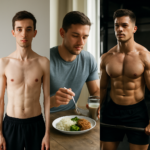
Going from a skinny guy to someone who can actually fill out a T-shirt is less about magic genetics and more about following a clear, repeatable plan. Many naturally slim people spend years lifting weights, drinking protein shakes, and hitting the gym hard, but stay stuck because they miss the biggest piece of the bulking up puzzle: eating enough of the right foods to support muscle growth. The body needs a consistent calorie surplus and enough protein to build muscle tissue, plus smart strength training and good recovery. When those pieces line up, even someone who has always struggled to gain weight can bulk up, add size, and get stronger. The process is slower than flashy “gain 40 pounds in 8 weeks” promises, but it is reliable and sustainable.
The first key is understanding that muscle is built in the kitchen just as much as in the gym. A skinny guy can train five or six days per week, but if total calories are too low, the body simply will not gain weight or build muscle. Everyone has a certain number of calories they burn each day just existing, known as total daily energy expenditure, and bulking up requires consistently eating more than that. A useful starting goal is to gain about 0.25–0.5% of body weight per week, which works out to roughly 0.3–0.75 pounds per week for someone who weighs 150 pounds. That usually means adding a few hundred calories per day above maintenance, tracking progress for a couple of weeks, and increasing calories again if the scale and progress photos do not move.
Calorie counting does not have to be a lifelong habit, but tracking intake for a few days helps reveal whether eating is actually enough to bulk up. Many people who “eat a ton” discover they are far under what their body needs to gain weight. Once there is a rough idea of maintenance calories, the job is to eat slightly more, stay consistent, and adjust based on results. If weight is not going up over two to three weeks, the solution is almost always to increase portions of carbs and fats. Bulking up requires getting comfortable with eating more food than feels normal, and sometimes eating even when not very hungry.
Within that calorie surplus, protein is the top priority for muscle building. When trying to build muscle and bulk up, a solid target is around 0.8–1 gram of protein per pound of body weight per day. That can come from meat, poultry, fish, eggs, dairy, legumes, and other higher-protein foods, or from plant-based sources for vegetarians and vegans. Protein helps repair muscle fibers after strength training and supports growth, so getting enough each day matters more than obsessing over the exact timing of every meal. For plant-based eaters, aiming toward the higher end of the range helps compensate for incomplete amino acid profiles in some foods.
Once protein needs are covered, the rest of the calories for bulking up should come from carbohydrates and fats. Carbs like rice, oats, potatoes, pasta, bread, lentils, and fruit refill muscle glycogen stores and provide energy for hard training. Fats from sources such as avocado, nuts, olive oil, butter, and full-fat dairy are calorically dense, which makes them especially helpful for a skinny guy who struggles to eat enough to gain weight. Because fat has more calories per gram, a small handful of nuts or a spoonful of olive oil can significantly boost daily intake without making meals feel huge. Including vegetables and fruit at most meals keeps digestion regular and supports overall health while eating more food.
For many people who want to bulk up fast, the easiest way to hit a higher calorie and protein goal is to use liquid calories. Smoothies and shakes can pack in hundreds of calories from protein powder, oats, milk, nut butter, fruit, and healthy fats without being as filling as a giant plate of food. A simple high-calorie shake can easily provide 600–800 calories with 50–70 grams of protein and plenty of carbs. This is especially useful after a workout or between meals. Alongside whole foods, liquid calories make it much more realistic for a naturally skinny person to stay in a calorie surplus day after day.
Supplements are not magic, but a couple can support a smart bulking strategy. A basic protein powder is a convenient way to help hit daily protein targets without cooking more meat or eggs. Creatine is another well-researched supplement that helps muscles store more energy, increases strength and power, and usually adds a bit of water weight inside the muscles, which can help with training performance and size. Beyond protein and creatine, most other “mass gain” supplements are unnecessary if overall diet and training are on point. The focus should stay on real food, enough calories, and consistent strength training.
Training is what tells the body to turn all those extra calories into muscle instead of just fat. To bulk up, the goal in the gym is progressive overload: steadily making exercises harder over time so muscles are forced to adapt. This usually means adding weight to the bar, doing more reps with the same weight, or adding more challenging variations of bodyweight movements. A simple approach is to train each major muscle group at least twice per week, using big compound exercises like squats, deadlifts, bench presses, overhead presses, rows, pull-ups, dips, lunges, and push-ups. Doing 2–3 hard sets of 6–15 reps per exercise, coming within one to three reps of failure, is enough for most beginners to build muscle and gain strength.
The total weekly training volume matters too. For someone trying to bulk up, 10–20 working sets per muscle group per week is a solid range, spread across two to four workouts. A skinny guy can make great progress with a simple three-day full-body plan that hits legs, pushing muscles, and pulling muscles each session. Bodyweight training can also build a lot of muscle when exercises are challenging enough, such as progressing from regular push-ups to decline push-ups, from bodyweight squats to pistol squats, or from assisted pull-ups to weighted pull-ups. The specific program matters less than showing up regularly, pushing hard, and tracking performance so there is clear progress over time.
Recovery is the often overlooked third pillar of bulking up, alongside eating and lifting. Muscles grow during rest, not during the workout itself, so sleep and off days are critical. Most muscles need about 48 hours between hard sessions to fully recover, especially for beginners. Getting enough sleep, often more than usual when training heavy, supports hormone levels, muscle repair, and appetite. Too much long-distance cardio can make bulking harder by burning a lot of calories and sending the body a mixed signal, so keeping cardio lower or focusing on short, intense intervals is usually better while trying to gain weight.
Skinny-fat people—those with thin limbs but extra fat around the midsection—face a slightly different decision. They can bulk up first, lean out first, or aim for body recomposition, which means building muscle while slowly losing fat. A balanced approach is to lift heavy, eat a slight calorie deficit rather than a surplus, and prioritize protein intake. This can reduce body fat percentage and add some muscle at the same time, though both changes happen more slowly than if focusing on one goal. Once a comfortable body fat level is reached, calories can be increased to shift into a more traditional muscle-building phase.
Common worries often hold skinny guys back from fully committing to bulking up. Fear of getting “too bulky” is usually unfounded; adding 20–30 pounds of mostly muscle is a long-term project, not something that happens overnight. If fat gain ever feels excessive, calories can always be dialed back slightly. Questions about the perfect rep scheme, the best workout split, or ideal meal timing matter far less than the basics: eat enough to gain weight, hit a reasonable protein target, follow a consistent strength training plan, and sleep well. When those fundamentals are in place, the body has everything it needs to build muscle.
Ultimately, bulking up as a skinny guy is a straightforward but demanding process. It requires eating more calories than feel natural, focusing on protein, embracing carbs and fats, and using tools like shakes and palatable foods to stay in a surplus. It means lifting heavy, prioritizing big compound movements, and applying progressive overload week after week. It also involves respecting recovery, trimming back excess cardio, and giving the body time and rest to adapt. With patience and consistency, even lifelong “hardgainers” can add serious muscle, gain weight, and finally see their effort in the gym translate into a stronger, more muscular physique.



Leave a Reply