



Healthy Ways to Gain Weight if You’re Underweight
Many naturally skinny guys spend years in the gym and still struggle to bulk up, assuming they just have “bad genetics.” In reality, bulking up fast comes down to a simple formula: eat more than you burn, follow a smart strength training plan, and give your body enough time to recover. When those three pieces line up, even hardgainers can build muscle, gain weight, and finally fill out their shirts.
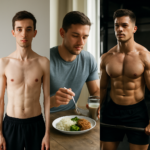
A real-world example shows how powerful this is. One lifter spent six years lifting regularly, drinking protein shakes, and following routines from fitness magazines, yet only gained a few pounds of muscle. Once a coach simplified his workout and dramatically increased his food intake, he gained about 18 pounds in 30 days, got much stronger on all his lifts, and looked noticeably bigger. The training mattered, but the turning point was eating enough to support muscle growth.
The most important part of any bulking plan is nutrition. Muscle is stimulated in the gym but built in the kitchen. Your body burns a large number of calories every day just existing, and even more if you’re active or doing cardio. If you want to bulk up, you must consistently eat in a calorie surplus: more calories than your body needs to maintain its current weight. Without that surplus, even perfect workouts will not produce much size.
A practical approach is to first figure out roughly how many calories you’re eating now. Track everything you eat for a few days using an app or food journal; most skinny guys discover they are eating far less than they thought. Then estimate your maintenance calories (often called TDEE, or total daily energy expenditure) based on your size and activity, and add about 200–400 calories per day above that. This should help you gain about 0.25–0.5% of your bodyweight per week. Monitor your weight and progress photos for 2–3 weeks and, if the scale isn’t moving, add another 200–250 calories per day and repeat.
Realistic expectations are important. Under good conditions, some people can gain close to a pound of muscle per week, but for most, around 2 pounds of muscle per month is more typical. Some of the weight you gain while bulking will be fat and water; that is normal and not a sign the process isn’t working. What you want to avoid is extreme “dirty bulking” that adds a lot of fat quickly. A slow, lean bulk with steady, modest weight gain is easier to maintain and looks better.
Within your bulking diet, protein is priority number one. Protein provides the building blocks your body uses to repair and grow muscle tissue after hard workouts. A simple target for most people looking to bulk up is around 0.8–1 gram of protein per pound of bodyweight per day, leaning toward the higher end if you are plant-based. Good sources include meat, poultry, fish, eggs, dairy, tofu, and legumes. Protein shakes are not magic, but they are an easy way to add extra protein and calories if you struggle to hit your target with whole foods alone.
Once protein is covered, carbohydrates become your main fuel source. Carbs refill your muscles’ glycogen stores, support performance in strength training, and help prevent your body from breaking down muscle for energy. For skinny guys trying to gain weight, it helps to include plenty of starchy carbs like rice, oats, potatoes, pasta, bread, beans, and fruit in most meals. These foods are usually easier to eat in larger quantities and add up quickly in calories, which makes bulking up more manageable.
Dietary fat is the third macro to prioritize, and it is especially helpful when appetite is low. Fat has more than twice the calories per gram compared to protein or carbs, so small portions pack a big calorie punch. Adding a handful of nuts, a spoonful of peanut butter, extra olive oil on your food, avocado, or full-fat dairy can easily add 100–300 calories without making your meals feel enormous. Saturated fat from foods like whole milk, cheese, and fatty cuts of meat can be part of a bulking diet in moderation, as long as most of your fats come from healthier sources.
Do not neglect vegetables and fruit just because the goal is to bulk up fast. When you start eating significantly more food, your digestion and overall health benefit from high-fiber, nutrient-dense foods. Adding at least a fist-sized serving of vegetables to most meals, along with some fruit during the day, helps keep your “plumbing” running smoothly and supports your immune system and recovery.
Supplements are often overhyped, but a couple can be genuinely useful in a bulking plan. A quality protein powder makes it easier to hit your daily protein target and can be blended into high-calorie smoothies with oats, fruit, and nut butter. Creatine monohydrate is one of the most researched supplements in sports nutrition; it helps your muscles store more energy, improves strength and power, and draws extra water into your muscle cells, which can support muscle growth. Beyond these basics, most other supplements are optional and far less important than your overall diet and training consistency.
For skinny guys who struggle to eat enough, liquid calories are a powerful tool. A bulking shake might include milk or a milk alternative, protein powder, oats, frozen fruit, and a spoonful of oil or nut butter. Drinks like this can easily top 700–800 calories and are much easier to consume than another giant solid meal. It can also help to keep protein at the lower end of the recommended range, since protein is very filling, and to choose more palatable foods that you genuinely enjoy so you’re more likely to eat enough.
Strength training is the other pillar of successful bulking. To build muscle, your workouts must challenge your muscles and gradually get harder over time. This principle is called progressive overload. Each week or two, aim to add a little weight to the bar, perform an extra rep or two, or add a set, so your body has a reason to grow. Most people see great results with 10–20 hard sets per muscle group per week, working mainly in the 6–15 rep range and stopping each set just 1–3 reps short of failure. Use a controlled tempo, lower the weight slowly, and lift it back up with good form.
A simple and effective structure for a skinny guy trying to bulk up is full-body strength training two to four days per week. Each session can include a lower-body movement like squats or deadlifts, an upper-body push like bench press or overhead press, and an upper-body pull like rows or pull-ups, plus a bit of optional arm or shoulder work at the end. Start light, focus on technique, and then steadily increase the load. Rest 60–180 seconds between sets depending on how heavy you are lifting and how recovered you feel.
Bodyweight training can also be used to bulk up, as long as the exercises are challenging enough. Gymnasts are a classic example of how powerful bodyweight strength can be. Push-ups, dips, pull-ups, bodyweight rows, squats, lunges, and single-leg variations can all build muscle if you take sets close to failure and make the movements harder over time by changing angles, slowing down the tempo, or eventually adding external weight. If you do not have much equipment, you may need to work in higher rep ranges, even up to 20–30 reps per set, to make your muscles work hard enough.
Many people are “skinny fat,” with slim arms and legs but a soft belly. In that case, the smartest first step is often body recomposition rather than a pure bulk. This means lifting heavy, eating a slight calorie deficit or around maintenance, and keeping protein high. Done correctly, this can slowly reduce body fat while building or maintaining muscle, improving how you look even if the scale does not move much. Once body fat is in a healthier range, you can move into a small calorie surplus to bulk up further.
Recovery is the final key piece. Muscles do not grow during the workout; they grow afterward, when you rest and sleep. Avoid training the same muscle group hard on back-to-back days, and embrace at least one or two lighter or rest days per week. Long-distance cardio can make it harder to bulk up, since it burns a lot of calories and sends a different signal to your muscles, so keep it limited while your focus is building size. Gentle walking or short, intense intervals are usually enough for heart health without sabotaging weight gain. Prioritize sleep as much as your schedule allows, since poor sleep can stall muscle growth and appetite.
Common worries can be put to rest. Getting “too bulky” is extremely unlikely for most skinny guys; adding 20–30 pounds of mostly muscle typically takes many months or years of focused effort. Vegetarians and vegans can bulk up by emphasizing plant proteins like beans, lentils, tofu, tempeh, and plant-based protein powder and aiming for the higher end of the protein range. Eating every three hours is not mandatory; total daily calories and protein drive results, though more frequent meals can make it easier to get enough food in if you have a small appetite.
Bulking up fast as a skinny guy does not require magic routines or secret supplements. It requires a consistent calorie surplus built on protein, carbs, and fats, a simple but progressive strength training plan, enough recovery, and patience. Track your bodyweight, strength, and progress photos, adjust your food intake when the scale stalls, and keep adding a little more challenge to your workouts. Over time, those small, steady steps add up to real muscle, noticeable weight gain, and a stronger, more confident body.



Leave a Reply