


How Much Sodium Should You Consume Each Day?
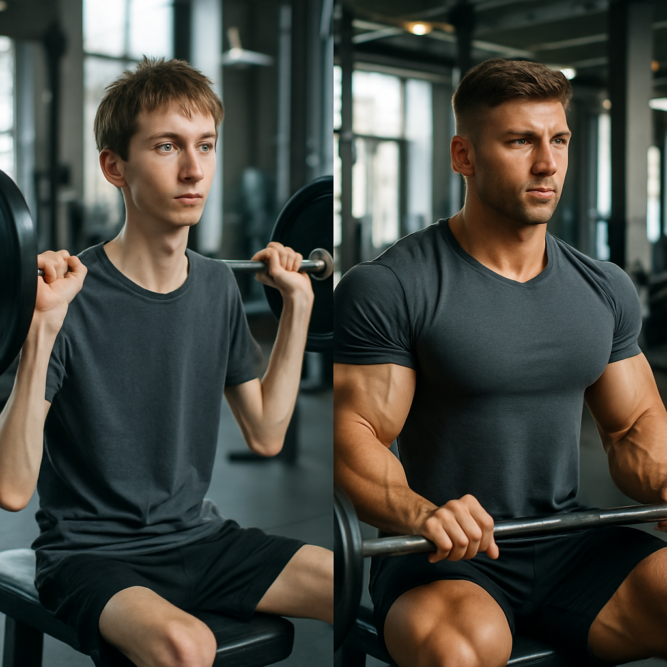
Building muscle as a naturally skinny guy can feel impossible, but the process is much more straightforward than most people realize. Going from skinny to muscular is not about magical workouts, secret supplements, or living in the gym. The key is combining smart strength training with a consistent calorie surplus, enough protein, and proper recovery so the body can actually grow. When those pieces line up, skinny guys can bulk up, add muscle mass, and get stronger far faster than they expect, even if they feel like they have “bad genetics” or have struggled for years.
For many people who identify as skinny, the biggest problem is not lack of effort, it is misdirected effort. Spending hours in the gym, copying bodybuilding routines, or chugging random protein shakes does not automatically translate into muscle gain if total calories are too low. The body needs more energy than it burns to build new tissue. That means if the scale is not moving up over time, the issue is usually under-eating, not under-training. Understanding total daily energy expenditure and then intentionally eating above that level is the foundation of any effective bulking strategy.
A practical way to start is by calculating estimated daily calorie needs using a TDEE (Total Daily Energy Expenditure) approach that factors in age, weight, height, sex, and activity level. Once that baseline is known, the goal for skinny guys is to gain about 0.25–0.5% of their body weight per week. For someone who weighs 150 pounds, that translates to roughly 0.3–0.75 pounds per week. Since one pound of body weight roughly equals 3,500 calories, this usually means adding about 200–400 extra calories per day to start. After two or three weeks, progress should be checked with both the scale and progress photos. If weight is not climbing, another 250 daily calories can be added and the process repeated.
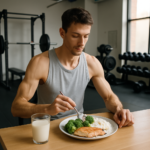
While calorie counting does not need to be permanent, tracking food intake for a few days with an app can be eye-opening. Many skinny guys are sure they “eat a ton,” but when meals and snacks are tracked honestly, the totals often fall well below what is required to gain weight. This short tracking period provides a baseline and makes it easier to adjust. From there, the focus is on building meals that prioritize protein, then fill in with carbohydrates and fats to hit the calorie target, while still including vegetables for fiber and overall health.
Protein is crucial because it provides the building blocks the body uses to rebuild muscle after strength training. A practical target for muscle gain is around 0.8 to 1 gram of protein per pound of body weight per day. Animal sources like chicken, beef, eggs, fish, and dairy make this easier, but plant-based options like beans, lentils, tofu, and other vegetarian protein sources can also work with careful planning. A typical four-ounce serving of meat or fish contains about 23–30 grams of protein, and adding one or two protein shakes per day can make hitting the target much more manageable, especially for people with smaller appetites.
Once protein is covered, carbohydrates and fats provide the extra calories that drive weight gain. Carbohydrates like rice, oats, potatoes, pasta, bread, and legumes supply fuel for hard training and help keep muscle glycogen stores full, which reduces the need for the body to break down protein for energy. Fats from foods like avocado, nuts, nut butters, olive oil, and full-fat dairy are calorie-dense and make it easier to eat in a surplus without feeling stuffed all the time. Even saturated fats from whole milk, butter, and fatty cuts of meat can fit into a bulking diet in moderation. Many skinny guys who struggle to eat enough can benefit from adding a little extra olive oil, nut butter, or cheese to meals to sneak in several hundred additional calories.
Vegetables and fruit might seem secondary when the goal is to bulk up fast, but they play an important supporting role. Increased food intake can challenge digestion, and high-fiber vegetables help keep things moving smoothly. Including at least a fist-sized serving of vegetables in most meals supplies fiber and important micronutrients that support overall health, recovery, and long-term performance. A balanced bulking diet is not an excuse to live on junk food; it is about eating more of the right calorie-dense foods, not abandoning nutrition altogether.
Supplements are often overhyped, but a small number can help. Protein powder is a convenient way to increase daily protein intake and overall calories, especially in the form of smoothies or shakes that are easy to drink even when appetite is low. Blending protein with oats, berries, spinach, milk, or milk alternatives can create a high-calorie “weight gain shake” that fits into a busy schedule. Creatine is another well-researched supplement that supports muscle growth by helping muscles store more energy and water, improving performance during heavy lifts. Beyond these, most other products marketed for bulking are unnecessary if diet and training are in place.
On the training side, the fastest way for a skinny guy to bulk up is to focus on getting stronger with big, compound movements and to follow a simple, progressive plan. Strength training breaks down muscle fibers, and the body responds by rebuilding them bigger and stronger when enough food and rest are provided. The main concept is progressive overload: consistently adding weight, reps, or sets over time so the muscles are continually challenged. That might mean starting with just the empty barbell and slowly adding small amounts of weight each week, or increasing repetitions as a movement becomes easier.
Full-body strength workouts performed two to four times per week work very well for most people trying to gain muscle. Exercises like squats, deadlifts, bench presses, overhead presses, rows, pull-ups, and dips hit multiple muscle groups at once and deliver the best return on effort. Most beginners do well training each major muscle group at least twice per week, using roughly 10–20 working sets per muscle group per week in total. Many find that sets of 6–15 repetitions, taken close to technical failure with good form, provide an effective balance of strength and hypertrophy. The exact rep range matters less than training hard, progressing regularly, and ensuring adequate recovery between sessions.
Bodyweight training can also be a powerful tool for bulking up, especially when access to a gym is limited. Movements like push-ups, pull-ups, chin-ups, dips, lunges, step-ups, inverted rows, and pistol squats can create plenty of tension and stimulate muscle growth if they are progressed over time. When a bodyweight exercise becomes too easy for 10–15 reps, the difficulty can be increased by changing leverage, elevating the feet, slowing down the tempo, or eventually adding external weight. Gymnasts are a clear example that impressive muscle can be built using primarily bodyweight exercises, provided the movements are sufficiently challenging and performed consistently.
Many skinny guys also worry about being “skinny fat,” meaning they have thin arms and legs but carry fat around the midsection. In that situation, it is possible to build muscle and lose fat at the same time by combining heavy strength training with a slight calorie deficit and high protein intake. The rate of progress in either direction will be slower than focusing on just bulking or just cutting, but this approach can gradually reshape the body while avoiding large weight swings. Once body fat is at a level they are comfortable with, they can shift into a small surplus to prioritize muscle gain.
Recovery is the third pillar of effective bulking. Muscles grow between workouts, not during them. That means giving trained muscle groups at least about 48 hours to recover before hitting them hard again, avoiding excessive long-distance cardio that burns large amounts of calories, and prioritizing sleep. Cardio does not have to be eliminated entirely, but heavy bulking and high-volume endurance work compete with each other. Light activity like walking, short bike rides, or occasional intervals can maintain cardiovascular health without significantly interfering with muscle growth, especially when calorie intake is high enough. Sleep is equally critical: aiming for plenty of quality rest gives the body the time it needs to repair tissue, regulate hormones, and adapt to training.
Skinny guys who fear “getting too bulky” can relax. Building serious size takes many months or years of consistent surplus eating and heavy lifting. For someone who has always struggled to gain weight, reaching a point where they feel overly muscular is a long-term “problem” that can easily be corrected by reducing calories and adjusting training. In practice, the more common challenge is pushing through the discomfort of eating more, gradually increasing portion sizes, and staying consistent with both diet and training long enough to see real changes.
Ultimately, going from skinny to muscular comes down to a few simple principles executed consistently: eat more than the body burns, prioritize protein, lift heavy and progressively, and rest enough to recover. When these fundamentals are in place, even naturally skinny guys can bulk up and build muscle. Tracking progress, adjusting calories as needed, and sticking with a solid strength training routine for months rather than weeks will produce visible size and strength gains that finally match the effort being put in.



Leave a Reply