



Healthy Weight Gain Strategies for Older Adults
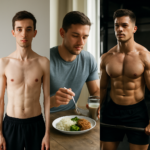
Bulking up as a naturally skinny guy can feel impossible, but building muscle and gaining healthy weight is achievable when nutrition, strength training, and recovery all work together. The key idea is simple: if the goal is to go from skinny to muscular, the body must consistently be fed more energy than it burns, challenged with progressive resistance training, and given enough rest to grow. Rather than chasing quick fixes or extreme promises, sustainable muscle gain comes from eating enough calories, prioritizing protein, lifting heavier over time, and sleeping more so the body can recover and adapt.
For many skinny guys, the biggest mistake is thinking that going to the gym often and drinking protein shakes is enough to bulk up. Muscle is stimulated in the gym, but it is built in the kitchen. The body burns a surprising number of calories each day just to function, and if total intake doesn’t exceed that amount, even a well-designed workout program won’t lead to visible mass gain. Calculating total daily energy expenditure (TDEE) provides a baseline of how many calories the body uses; from there, adding extra calories intentionally is what drives weight gain. A practical target is gaining about 0.25–0.5% of body weight per week, which usually translates to a few hundred extra calories per day above maintenance. Tracking intake for a few days using an app can reveal that what feels like “eating a lot” is often still below what’s needed to grow.
Protein intake sits at the center of a successful bulking plan because protein provides the building blocks for muscle repair and growth after hard training sessions. A straightforward guideline is to consume roughly 0.8–1 gram of protein per pound of body weight per day. That amount supports muscle protein synthesis for most people, including those doing regular strength training. Protein can come from meat, poultry, fish, eggs, dairy, legumes, and, for vegetarians or vegans, higher-protein plant foods and powders. Understanding portion sizes helps; for example, a palm-sized serving of chicken or steak typically provides around 25–30 grams of protein. When whole-food protein isn’t enough to meet daily goals, protein shakes become a convenient way to add both protein and calories, especially if blended with ingredients like oats, fruit, nut butters, or milk.
Once protein needs are covered, carbohydrates and fats fill out the remaining calories needed to bulk up. Carbs are especially helpful for refilling glycogen stores in muscles, which supports performance in the gym and prevents the body from breaking down muscle tissue for energy. Staple carb sources such as rice, potatoes, oats, legumes, pasta, and whole-grain bread offer dense energy and are easy to increase in portion size as needed. Healthy fats are equally useful because they pack a lot of calories into small amounts of food, which is ideal for those who feel too full eating large volumes. Foods like avocado, nuts, seeds, olive oil, and nut butters contribute significantly to total calories with relatively little bulk. Even saturated fats from whole milk, full-fat dairy, coconut oil, and fatty cuts of meat can fit into a muscle-building diet in moderation. Alongside these macronutrients, daily servings of vegetables and fruit provide fiber and micronutrients, helping digestion keep up with the increased food intake.
Supplements are not magic, but a few strategic choices can make bulking easier. Most fancy products marketed to skinny guys are unnecessary. However, a basic protein powder simplifies hitting daily protein targets, and creatine is one of the most researched and effective supplements for strength and muscle gain. Creatine helps muscles store more energy, allowing harder training and supporting increases in lean mass. Beyond these two, the focus should stay on real food and total calorie intake. Practical tactics like using liquid calories in smoothies, shakes, and even milk can make it easier to consume enough without feeling stuffed. Highly palatable foods that combine carbs and fats can also help when appetite is limited. Over time, gradually increasing portion sizes or adding an extra meal or snack each day trains the stomach to tolerate more food, much like progressive overload trains muscles to handle more weight.
On the training side, the fastest way for a skinny guy to bulk up is to get stronger through compound strength exercises that work multiple muscle groups at once. When muscles are challenged with progressively heavier loads or more demanding variations, they respond by growing. The principle of progressive overload underpins all effective bulking workout plans: regularly increasing weight, sets, reps, or difficulty so the body has a reason to adapt. A solid starting point is 10–20 working sets per muscle group per week, performed mostly in the 6–15 rep range, with each set taken close to muscular failure while still preserving good form. Compound lifts such as squats, deadlifts, bench presses, overhead presses, rows, dips, push-ups, and pull-ups should form the core of the routine because they provide the greatest stimulus for overall size and strength.
Most beginners do well with a full-body strength training program performed two to four times per week, hitting all major muscle groups regularly without requiring daily gym sessions. The exact number of reps and sets matters less than consistent progression and intensity. As long as sets are challenging and close to failure, any rep range from about 5 to 30 can contribute to hypertrophy. Training tempo also plays a role: lowering weights in a controlled manner and avoiding rushed, sloppy movement keeps tension on the muscles and reduces injury risk. Between sets, resting one to three minutes is usually enough, with shorter rests favoring muscular endurance and longer rests allowing heavier lifting. The overall goal is to stimulate, not annihilate, the body so it can recover and grow rather than burn out.
Bodyweight training can be a powerful tool for bulking up as well. Gymnasts and calisthenics athletes demonstrate that impressive muscle can be built without barbells when exercises are made progressively harder. Push-ups, pull-ups, dips, lunges, rows, and squats can all drive muscle growth when taken close to failure and advanced in difficulty, such as by elevating the feet, changing grip, or moving toward single-leg movements like pistol squats. The challenge with bodyweight training is that adding small increments of difficulty is less straightforward than simply adding weight plates, so creativity and careful progression are important. For many skinny guys, combining bodyweight movements with free weights can offer both convenience and measurable progress.
Recovery and sleep are critical pieces of the bulking puzzle that often get overlooked. Muscles grow during rest, not while lifting, and most muscle groups need roughly 48 hours between serious strength sessions. On non-lifting days, light activity such as walking or gentle mobility work is fine, but hammering the same muscles repeatedly can stall progress or lead to injury. Long-distance cardio, in particular, can make bulking harder because it burns a lot of calories and trains the body for efficiency rather than size. Those who love running or cycling can still include some cardio, but shorter sessions, intervals, or increased daily steps are usually better aligned with muscle-building goals than hours of endurance training. Adequate sleep is equally non-negotiable: when pushing heavy weights and eating more, the body often needs more nightly rest to repair tissues and balance hormones. Consistently short-changing sleep can blunt strength gains and slow muscle growth.
Special cases like being “skinny fat” demand a slightly different approach. Someone with thin limbs but a soft midsection may want to improve muscle size and reduce fat at the same time. This is possible by combining heavy strength training with a small calorie deficit and sufficient protein, which can recomposition the body over time. Slimming down toward roughly a moderate body fat level while building strength avoids having to buy progressively larger clothes and then smaller ones later. However, trying to maximize muscle gain and fat loss simultaneously means neither goal progresses as quickly as it would in a dedicated bulking or cutting phase. If progress stalls, focusing on one clear objective—either building muscle at a surplus or leaning out at a deficit—simplifies decisions and often delivers faster results.
Common worries for skinny guys, such as getting “too bulky,” are usually misplaced. Gaining significant muscle mass takes years of consistent eating and training, especially for those with slender genetics. It is far easier to adjust downward from slightly too heavy than to constantly struggle to move the scale at all. Many also wonder about meal timing and frequency; research suggests that total daily calories and protein matter more than the exact timing of meals. Eating every three hours is not required, though spreading intake out can make it easier to reach high calorie goals. Whether the diet is omnivorous, vegetarian, or fully plant-based, the fundamental rules remain the same: hit protein targets, eat enough total calories, lift with progressive overload, and prioritize sleep.
Ultimately, the path from skinny to muscular is straightforward but demanding. Bulking up fast in a healthy way means accepting that progress will be measured in steady weekly changes rather than overnight transformations. By focusing on getting stronger with big compound lifts or challenging bodyweight exercises, eating enough protein, carbs, and fats to support that training, using tools like protein powder and creatine intelligently, and respecting the importance of rest and sleep, skinny guys can overcome genetics and build a bigger, stronger, more confident physique that lasts.



Leave a Reply