


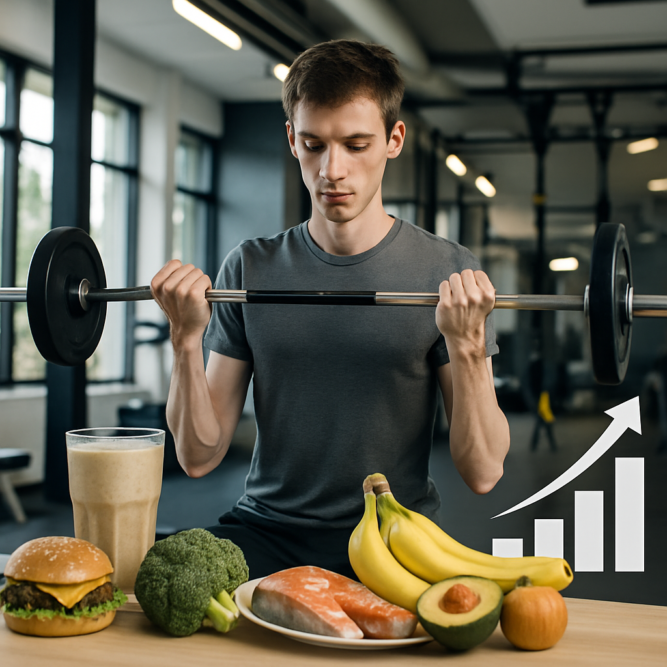
Weight Gain Diet Chart: Foods and Meal Plan
For skinny guys who want to bulk up fast, the biggest lesson is simple: eating enough matters more than almost anything else. Muscle growth does not come from training hard alone; it comes from combining smart strength training with a consistent calorie surplus, enough protein, and proper recovery. The article’s core message is that if the scale is not moving upward, the body is not getting enough fuel to build new muscle. That truth runs through every part of the bulking process, from food choices to workout structure to sleep habits.
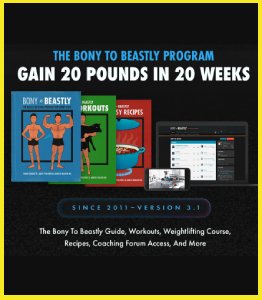
The author opens with a personal story of years spent as a naturally skinny kid who trained hard but barely gained muscle. Even after years in the gym, protein shakes, and magazine advice, progress stayed minimal because the real problem was under-eating. A turning point came when a trainer simplified the workouts and doubled food intake, leading to 18 pounds gained in just 30 days, along with noticeable strength gains and better confidence. The takeaway is not that everyone should try to gain weight that quickly, but that many skinny people misjudge how much they eat and underestimate how much food is needed to support muscle gain.
The most important nutrition rule for bulking up is to eat more calories than the body burns. The article explains that daily calorie needs vary by age, size, activity level, and metabolism, so there is no single magic number for everyone. A practical starting point is to track food intake for a few days, use that as a baseline, and then add calories gradually. The recommended goal is to gain about 0.25% to 0.5% of body weight per week, which usually means adding roughly 200 to 400 calories a day for many people, then adjusting every two to three weeks based on real progress.
Protein is the top nutrition priority once calorie needs are covered. The article recommends around 0.8 grams of protein per pound of body weight for most active people trying to build muscle, with plant-based eaters sometimes needing closer to 1 gram per pound. Protein supports muscle repair after training, and the article suggests getting it from foods like chicken, turkey, beef, fish, eggs, dairy, beans, lentils, and other plant-based sources. A simple visual method is also offered: a palm-sized serving of protein at meals, with protein shakes as a useful option when whole food intake is not enough.
Carbohydrates and fats are the next major pieces of the bulking diet. Carbs help refill muscle glycogen, which supports training performance and can reduce the body’s need to break down muscle for energy. Good carbohydrate sources include rice, oats, quinoa, potatoes, whole grain bread, pasta, lentils, and legumes. Fats are especially useful for skinny guys trying to bulk because they are calorie-dense and make it easier to eat more without feeling overly full. Foods like avocado, nuts, nut butters, olive oil, and full-fat dairy can add significant calories with small portions.
Vegetables still matter during a bulk, even though the main goal is weight gain. The article emphasizes that fiber-rich vegetables support digestion and overall health when calorie intake rises. The broader point is that bulking should not become an excuse to ignore nutrition quality. A strong bulking diet includes enough protein, enough carbs, enough fats, and enough vegetables to keep the body working well while body weight climbs at a controlled pace.
Supplements are presented as optional, not essential. The article is blunt that most supplements are not worth prioritizing. Two exceptions are protein powder and creatine. Protein powder helps busy people reach daily protein and calorie targets, while creatine can support workout performance, power output, and water retention in the muscles. Even so, the message is clear that supplements are secondary to food intake, training consistency, and recovery. Liquid calories, especially calorie-dense smoothies, are suggested as a practical way to help hard gainers increase intake without feeling uncomfortably full.
Training for muscle growth centers on progressive overload, which means gradually making workouts harder over time. The article explains that muscles grow when they are challenged and forced to adapt, so the goal is not to destroy the body in the gym but to steadily increase strength. Beginners are encouraged to use a simple strength training plan built around big compound movements like squats, deadlifts, bench presses, overhead presses, rows, pull-ups, dips, and push-ups. For most people, full-body workouts two to four times per week are enough to build muscle effectively, especially when paired with proper nutrition.
The article also gives practical training guidance on volume, intensity, and tempo. It recommends roughly 10 to 20 working sets per muscle group per week, with many lifters doing well in the 6 to 15 rep range. Working sets should be challenging, usually ending one to three reps short of failure. Reps should be controlled on the way down to keep tension on the muscle and reduce injury risk. The point is to train hard enough to stimulate growth without training so recklessly that recovery or technique suffers.
Bodyweight training can absolutely help someone bulk up, but only if it becomes progressively more difficult. Gymnasts are used as an example that bodyweight exercise can build impressive muscle. Still, the same rules apply: the movements must be hard enough to challenge the muscles close to failure. If regular push-ups, rows, or squats become too easy, the exercise must be advanced through harder variations, added resistance, or higher effort. For beginners, free weights are often easier to track and progress, but bodyweight training is still a valid path to building a stronger, bigger physique.
The article also addresses the “skinny fat” body type, where someone has low muscle mass but a softer midsection. In that case, there are three general options: bulk first, cut first, or try to build muscle while losing fat at the same time. The article supports the idea that with heavy strength training, enough protein, and a slight calorie deficit, it is possible to lose fat and gain muscle together, especially for beginners. Once body fat reaches a comfortable level, calories can be increased to focus more fully on size gains.
Recovery is treated as just as important as training and nutrition. Muscles grow during rest, not during the workout itself, so the article recommends giving major muscle groups about 48 hours to recover before training them hard again. Sleep is emphasized as a major driver of muscle growth, and long-distance cardio is flagged as something that can make bulking harder by burning too many calories and interfering with recovery. Light activity, walking, and moderate cardio can still fit, but serious bulking usually works best when endurance training is reduced for a while. In the end, the message is consistent and practical: eat enough, lift progressively heavier weights, and recover well enough for the body to actually turn effort into muscle.



Leave a Reply